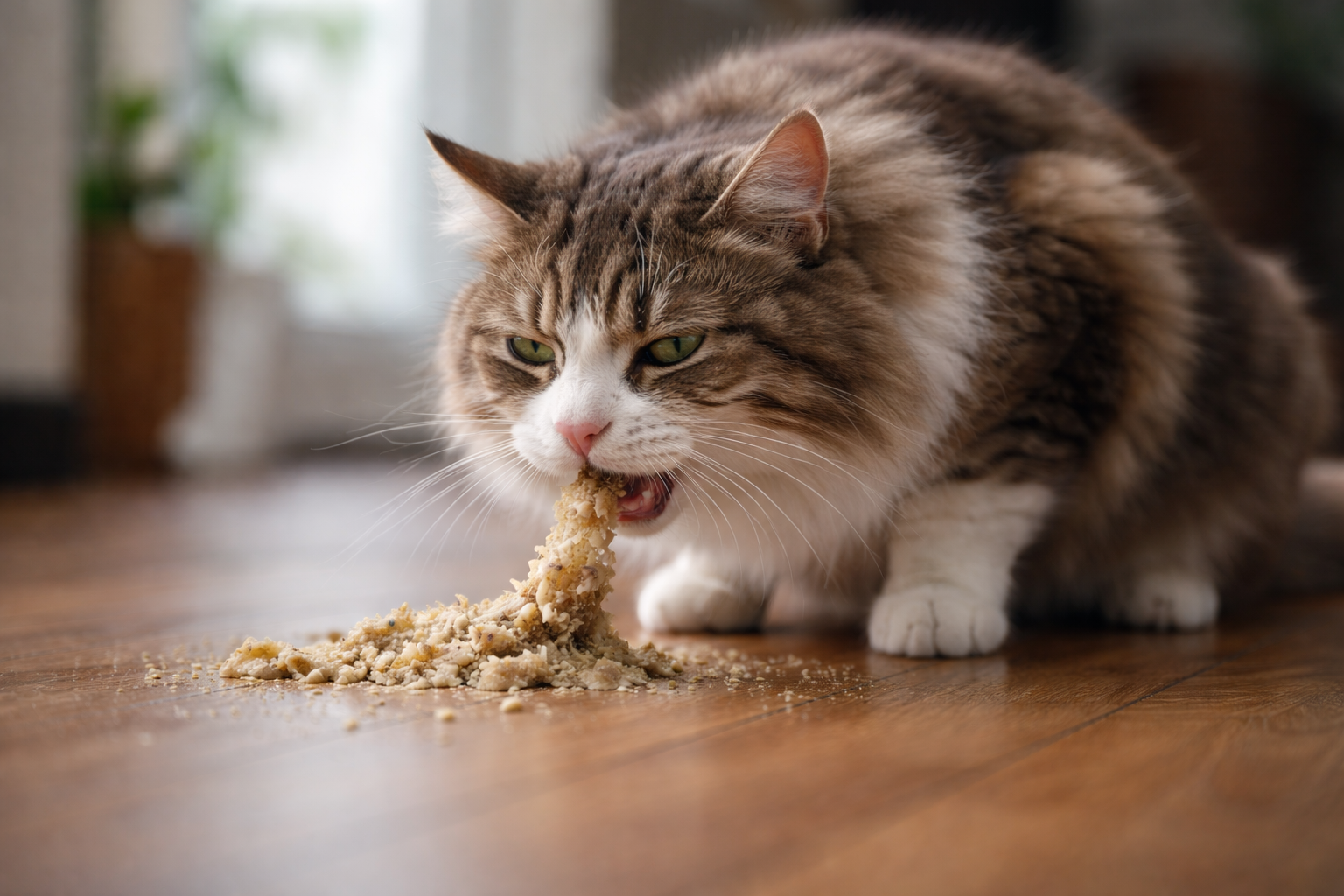
If you’ve ever walked into a room to find your beloved feline has left an unpleasant surprise on your carpet, you’re not alone. Cat vomiting is one of the most common concerns among pet owners, and understanding why is my cat throwing up is crucial for ensuring your furry companion’s health and well-being. While occasional vomiting might be normal for some cats, frequent or severe episodes can signal underlying health issues that require immediate attention.
In this comprehensive guide, we’ll explore everything you need to know about cat vomiting—from identifying the root causes to recognizing when it’s time to visit your veterinarian. Whether your cat is throwing up food, hairballs, bile, or something else entirely, you’ll find expert insights and actionable solutions to help your pet feel better.
Understanding Cat Vomiting vs. Regurgitation
Before diving into the reasons behind feline vomiting, it’s essential to distinguish between vomiting and regurgitation—two distinct processes that cat owners often confuse.
Vomiting is an active process involving abdominal contractions and effort. When your cat vomits, you’ll typically notice:
- Heaving or retching motions
- Abdominal muscle contractions
- Partially digested food mixed with bile or stomach fluids
- The material may be accompanied by drooling or lip-licking beforehand
Regurgitation, on the other hand, is a passive process where food comes back up without much effort. Signs include:
- Food appears undigested and tubular in shape
- No abdominal effort or heaving
- Occurs shortly after eating
- Often happens suddenly without warning signs
Understanding this difference helps you provide accurate information to your veterinarian and can guide the diagnostic process. Regurgitation often points to esophageal issues, while vomiting typically indicates stomach or systemic problems.
Common Reasons Why Cats Throw Up
Cat vomiting can stem from numerous causes, ranging from benign to serious. Here are the most common reasons why your feline friend might be experiencing this unpleasant symptom:
1. Hairballs (Trichobezoars)
The number one cause of vomiting in cats, hairballs form when cats ingest fur during grooming. Long-haired breeds are particularly susceptible.
2. Eating Too Quickly
Some cats are enthusiastic eaters who gulp down their food too fast, leading to immediate regurgitation or vomiting.
3. Dietary Indiscretion
Cats who eat spoiled food, plants, or non-food items often experience gastrointestinal upset.
4. Food Allergies or Sensitivities
Certain proteins or ingredients can trigger allergic reactions or intolerances, resulting in chronic vomiting.
5. Sudden Diet Changes
Abruptly switching cat food brands or formulas can upset your cat’s digestive system.
6. Intestinal Parasites
Roundworms, hookworms, and other parasites can cause vomiting, especially in kittens and outdoor cats.
7. Inflammatory Bowel Disease (IBD)
This chronic condition causes inflammation of the gastrointestinal tract and is a common cause of persistent vomiting.
8. Gastritis
Inflammation of the stomach lining can result from various factors, including infections, toxins, or chronic conditions.
9. Foreign Body Obstruction
Cats who swallow string, toys, or other objects may develop intestinal blockages that cause severe vomiting.
10. Kidney Disease
Chronic kidney disease is prevalent in senior cats and often manifests with vomiting as an early symptom.
11. Hyperthyroidism
This hormonal disorder, common in older cats, can accelerate metabolism and cause digestive issues including vomiting.
12. Liver Disease
Hepatic conditions can lead to toxin buildup in the bloodstream, triggering nausea and vomiting.
13. Pancreatitis
Inflammation of the pancreas causes severe abdominal pain and vomiting in affected cats.
14. Toxin Ingestion
Poisonous plants, household chemicals, or human medications can cause acute vomiting episodes.
15. Cancer
Gastrointestinal tumors or lymphoma can present with chronic vomiting as a primary symptom.
Types of Cat Vomit and What They Mean
The appearance, color, and consistency of your cat’s vomit can provide valuable diagnostic clues. Here’s what different types of vomit might indicate:
Yellow or Green Vomit (Bile)
- What it means: Bile from the small intestine, indicating an empty stomach
- Common causes: Skipped meals, early morning vomiting, or bilious vomiting syndrome
- Action: Monitor frequency; consult vet if persistent
White Foam
- What it means: Gastric juices without food content
- Common causes: Empty stomach, hairballs, or gastritis
- Action: Usually not serious if occasional; watch for other symptoms
Brown Vomit
- What it means: Digested blood or food particles
- Common causes: Internal bleeding, ulcers, or digested food
- Action: Dark brown resembling coffee grounds requires immediate veterinary attention
Red or Pink Vomit
- What it means: Fresh blood in vomit
- Common causes: Trauma, ulcers, foreign bodies, or coagulation disorders
- Action: Emergency—seek immediate veterinary care
Undigested Food
- What it means: Food that hasn’t been properly digested
- Common causes: Eating too fast, regurgitation, or megaesophagus
- Action: Try slow-feeding bowls; consult vet if chronic
Clear Liquid
- What it means: Water or saliva
- Common causes: Drinking too quickly, nausea, or esophageal issues
- Action: Monitor hydration; report if accompanied by other symptoms
Vomit with Worms
- What it means: Intestinal parasite infestation
- Common causes: Roundworms, tapeworms
- Action: Immediate deworming treatment needed
Hairballs: The Most Common Culprit
Hairballs are perhaps the most recognized cause of cat vomiting, but many pet owners don’t fully understand this natural phenomenon or when it becomes problematic.
Why Cats Get Hairballs
Cats are meticulous groomers, spending up to 50% of their waking hours cleaning themselves. Their tongues are covered with tiny, backward-facing barbs called papillae that trap loose fur. Most of this hair passes through the digestive system without issue, but some accumulates in the stomach, forming a hairball.
Normal vs. Problematic Hairballs
Normal hairball frequency:
- Once or twice per month for short-haired cats
- Up to once weekly for long-haired breeds
- Typically expelled without distress
Warning signs of problematic hairballs:
- Vomiting hairballs more than once per week
- Unproductive retching or gagging
- Lethargy or decreased appetite
- Constipation or diarrhea
- Visible abdominal discomfort
How to Reduce Hairballs
Grooming techniques:
- Brush your cat daily (long-haired cats) or several times weekly (short-haired cats)
- Use de-shedding tools during seasonal coat changes
- Consider professional grooming for long-haired breeds
Dietary solutions:
- Feed hairball-control formulas with increased fiber
- Add pumpkin puree to meals (1-2 teaspoons)
- Ensure adequate hydration to help hair pass through
Hairball remedies:
- Petroleum-based hairball lubricants
- Natural alternatives like fish oil or coconut oil
- Specialized treats designed to prevent hairball formation
Medical intervention:
- Consult your vet if hairballs become frequent
- Prescription diets may be recommended
- In rare cases, surgical removal may be necessary for impacted hairballs
Dietary Issues That Cause Vomiting
What your cat eats—and how they eat it—plays a crucial role in digestive health. Understanding dietary factors can help you prevent many vomiting episodes.
Eating Too Quickly (Scarf and Barf Syndrome)
Some cats eat so rapidly that their stomachs can’t accommodate the sudden influx of food, leading to immediate vomiting.
Solutions:
- Use puzzle feeders or slow-feed bowls
- Divide daily food into smaller, more frequent meals
- Separate feeding areas if you have multiple cats
- Place obstacles like golf balls in the food bowl to slow eating
Food Allergies and Sensitivities
Cats can develop allergies or intolerances to specific proteins or ingredients, causing chronic vomiting and other gastrointestinal symptoms.
Common allergens:
- Beef
- Dairy products
- Fish
- Chicken
- Wheat gluten
- Corn
Signs of food allergy:
- Chronic vomiting or diarrhea
- Skin irritation or excessive scratching
- Ear infections
- Hair loss
Management strategies:
- Elimination diet trials under veterinary supervision
- Hypoallergenic or limited-ingredient diets
- Novel protein sources (venison, duck, rabbit)
- Hydrolyzed protein formulas
Sudden Diet Changes
Abrupt changes in cat food can shock the digestive system, causing vomiting, diarrhea, and stomach upset.
Proper transition protocol:
- Days 1-2: 75% old food, 25% new food
- Days 3-4: 50% old food, 50% new food
- Days 5-6: 25% old food, 75% new food
- Day 7+: 100% new food
Extend this timeline to 10-14 days for cats with sensitive stomachs.
Low-Quality or Spoiled Food
Cheap cat food often contains fillers, by-products, and artificial additives that can irritate sensitive digestive systems. Additionally, improperly stored food can spoil and harbor bacteria.
Prevention tips:
- Choose high-quality brands with named protein sources
- Check expiration dates before purchasing
- Store dry food in airtight containers
- Refrigerate wet food and discard after 2 hours at room temperature
- Avoid leaving dry food in bowls for extended periods
Dietary Indiscretion
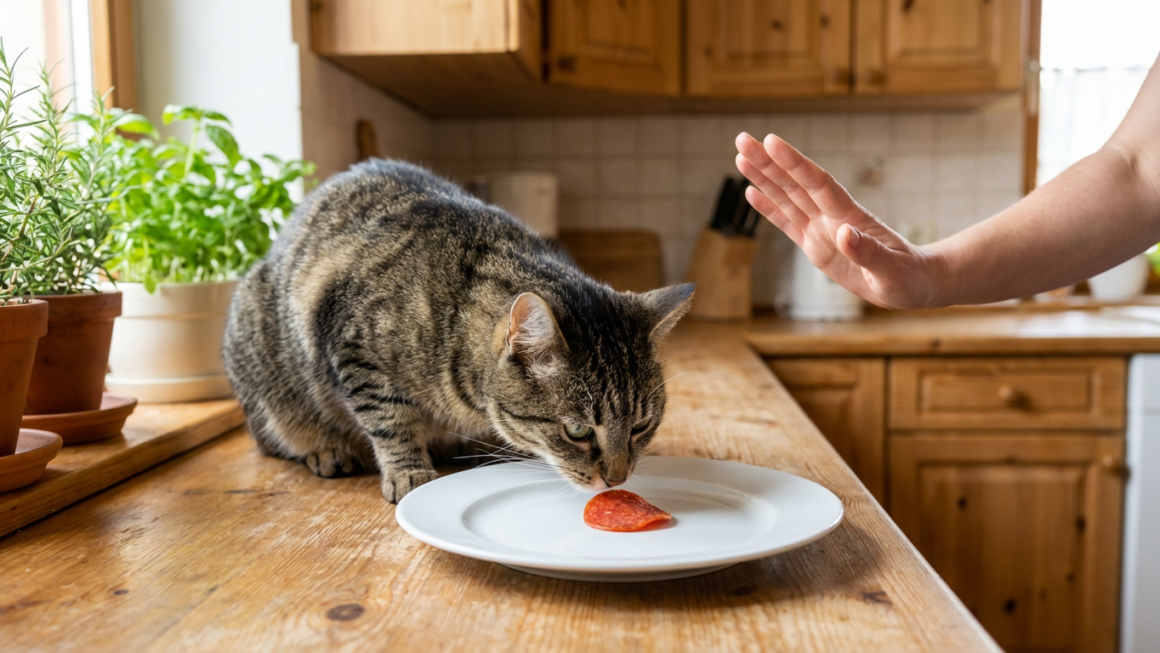
Cats who consume plants, human food, garbage, or other inappropriate items often experience acute vomiting episodes.
Common toxic plants:
- Lilies (extremely toxic)
- Sago palm
- Azaleas
- Tulips
- Daffodils
Dangerous human foods:
- Onions and garlic
- Chocolate
- Grapes and raisins
- Xylitol (artificial sweetener)
- Alcohol
Medical Conditions Associated with Vomiting
While dietary factors and hairballs account for many vomiting cases, numerous medical conditions can cause this symptom. Recognizing these conditions early is crucial for effective treatment.
Chronic Kidney Disease (CKD)
Kidney disease is incredibly common in senior cats and progresses gradually. As kidney function declines, toxins build up in the bloodstream, causing nausea and vomiting.
Additional symptoms:
- Increased thirst and urination
- Weight loss
- Poor coat condition
- Bad breath (uremic odor)
- Lethargy
Diagnosis and management:
- Blood work (BUN, creatinine levels)
- Urinalysis
- Prescription kidney diets
- Fluid therapy
- Medications to control nausea and blood pressure
Hyperthyroidism
This hormonal disorder, caused by overactive thyroid glands, primarily affects middle-aged to senior cats. The increased metabolic rate can cause various digestive issues.
Characteristic signs:
- Weight loss despite increased appetite
- Hyperactivity or restlessness
- Increased thirst
- Vomiting or diarrhea
- Poor coat quality
Treatment options:
- Anti-thyroid medications (methimazole)
- Radioactive iodine therapy
- Surgical thyroid removal
- Prescription low-iodine diet
Inflammatory Bowel Disease (IBD)
IBD involves chronic inflammation of the gastrointestinal tract and is a leading cause of persistent vomiting in cats.
Clinical presentation:
- Chronic intermittent vomiting
- Diarrhea (may alternate with normal stools)
- Weight loss
- Decreased appetite
- Abdominal discomfort
Diagnostic approach:
- Intestinal biopsy (gold standard)
- Blood work to rule out other conditions
- Imaging studies
- Fecal testing
Management:
- Hypoallergenic or novel protein diets
- Corticosteroids or immunosuppressive drugs
- Vitamin B12 supplementation
- Probiotics
Pancreatitis
Inflammation of the pancreas can be acute or chronic and causes severe abdominal pain and vomiting.
Symptoms:
- Severe vomiting
- Loss of appetite
- Lethargy
- Abdominal pain (hunched posture)
- Dehydration
- Fever
Diagnosis:
- Feline pancreatic lipase immunoreactivity (fPLI) test
- Abdominal ultrasound
- Complete blood count
Treatment:
- Hospitalization with IV fluids
- Anti-nausea medications
- Pain management
- Nutritional support
- Low-fat diet
Liver Disease
Hepatic conditions can result from infections, toxins, cancer, or metabolic disorders, all potentially causing vomiting.
Warning signs:
- Jaundice (yellowing of eyes, gums, skin)
- Vomiting
- Loss of appetite
- Weight loss
- Increased thirst
- Neurological symptoms (hepatic encephalopathy)
Diagnostic tests:
- Liver enzyme panels
- Bile acid testing
- Liver biopsy
- Imaging (ultrasound, X-rays)
Gastrointestinal Foreign Bodies
Cats, especially kittens, sometimes swallow objects that become lodged in the digestive tract, creating life-threatening blockages.
High-risk items:
- String, yarn, or thread
- Rubber bands
- Small toys
- Hair ties
- Tinsel
Emergency symptoms:
- Persistent vomiting
- Inability to keep food or water down
- Abdominal pain
- Lethargy
- Loss of appetite
- Straining to defecate
Treatment:
- Emergency surgery (most cases)
- Endoscopic retrieval (if object is accessible)
Cancer
Various cancers can affect the digestive system or cause systemic effects leading to vomiting.
Types commonly associated with vomiting:
- Gastrointestinal lymphoma
- Stomach tumors
- Intestinal adenocarcinoma
- Liver or pancreatic cancer
Diagnostic approach:
- Imaging (X-rays, ultrasound, CT scans)
- Biopsy
- Blood work
- Endoscopy
Intestinal Parasites
Worms and other parasites are particularly common in kittens, outdoor cats, and those who hunt.
Common parasites:
- Roundworms
- Hookworms
- Tapeworms
- Giardia
- Coccidia
Symptoms:
- Vomiting (sometimes with visible worms)
- Diarrhea
- Weight loss
- Pot-bellied appearance
- Dull coat
Treatment:
- Deworming medications specific to parasite type
- Environmental cleaning
- Prevention through regular deworming schedules
When Cat Vomiting Is a Veterinary Emergency
While occasional vomiting may not be cause for alarm, certain situations require immediate veterinary attention. Recognizing these red flags can be lifesaving.
Immediate Emergency Signs
Seek emergency care if your cat experiences:
- Projectile vomiting: Forceful expulsion suggesting obstruction
- Blood in vomit: Red (fresh) or brown (digested) blood
- Vomiting with other severe symptoms: Difficulty breathing, seizures, or collapse
- Suspected toxin ingestion: Household chemicals, poisonous plants, medications
- Multiple episodes in 24 hours: Especially if unable to keep water down
- Distended or painful abdomen: May indicate bloat or obstruction
- Pale or white gums: Sign of shock or severe anemia
- Extreme lethargy or unresponsiveness: Indicates systemic illness
- String visible from mouth or rectum: Never pull—seek immediate help
Urgent (Same-Day) Veterinary Care Needed
Contact your vet within hours if:
- Vomiting persists beyond 24 hours
- Your cat refuses food for more than 24 hours
- Dehydration signs appear (sunken eyes, tacky gums, skin tenting)
- Vomiting occurs with diarrhea
- Your cat is very young, very old, or has chronic health conditions
- Weight loss accompanies vomiting
- Behavioral changes are present
When to Monitor at Home
It may be safe to observe if:
- Single episode of vomiting with no other symptoms
- Cat is eating, drinking, and acting normally
- Vomit contains only hairball or undigested food
- No blood or unusual colors present
- Cat is up-to-date on preventive care
However, always err on the side of caution. If you’re uncertain, contact your veterinarian for guidance.
How to Prevent Your Cat from Throwing Up
Prevention is always preferable to treatment. These strategies can significantly reduce vomiting episodes in healthy cats.
Feeding Management
Establish consistent routines:
- Feed at the same times daily
- Provide multiple small meals instead of one or two large ones
- Use automatic feeders for scheduled portion control
Optimize feeding environment:
- Create quiet, stress-free feeding areas
- Separate food bowls in multi-cat households
- Elevate food bowls slightly to improve digestion
- Ensure fresh water is always available
Choose appropriate food:
- Select high-quality, age-appropriate formulas
- Consider sensitive stomach or digestive care diets
- Avoid foods with common allergens if sensitivity suspected
- Transition slowly when changing foods
Regular Grooming
Minimize hairball formation:
- Brush daily during shedding seasons
- Use appropriate grooming tools for coat type
- Consider professional grooming for long-haired breeds
- Provide cat grass or specially formulated treats
Environmental Management
Reduce toxin exposure:
- Keep toxic plants out of reach
- Store chemicals and medications securely
- Avoid leaving human food accessible
- Use pet-safe cleaning products
Minimize stress:
- Maintain consistent routines
- Provide vertical space and hiding spots
- Use pheromone diffusers if needed
- Introduce changes gradually
Preventive Healthcare
Regular veterinary care:
- Annual wellness exams (bi-annual for seniors)
- Routine blood work to detect early disease
- Dental cleanings to prevent oral infections
- Parasite prevention year-round
- Keep vaccinations current
Hydration
Encourage water intake:
- Provide multiple water stations
- Use cat water fountains (many cats prefer running water)
- Add water or broth to dry food
- Offer wet food to increase moisture consumption
Home Remedies and First Aid for Vomiting Cats
When your cat vomits but doesn’t require emergency care, certain home care measures can help soothe their digestive system.
Immediate Response Steps
After a vomiting episode:
- Remove food: Fast your cat for 12-24 hours to rest the stomach
- Provide small amounts of water: Offer ice cubes or small water portions every 30 minutes
- Monitor closely: Watch for additional vomiting or concerning symptoms
- Clean thoroughly: Remove vomit immediately to prevent re-ingestion
- Document details: Note time, frequency, appearance, and any triggers
Reintroduction of Food
After fasting period:
- Start with small amounts (1-2 tablespoons) of bland food
- Offer boiled chicken (no skin or bones) or plain white fish
- Consider plain boiled rice or pumpkin mixed with protein
- Feed every 2-3 hours in tiny portions
- Gradually return to regular diet over 2-3 days if no vomiting occurs
Supportive Home Care
Natural remedies (use cautiously):
- Plain pumpkin puree: 1-2 teaspoons can soothe digestion (ensure it’s 100% pumpkin, not pie filling)
- Bone broth: Homemade, low-sodium broth provides hydration and nutrients
- Slippery elm: May coat and soothe digestive tract (consult vet for dosing)
- Probiotics: Feline-specific formulas support gut health
Stress reduction:
- Keep environment calm and quiet
- Provide comfortable resting areas
- Minimize handling unless necessary
- Maintain routine as much as possible
What NOT to Do
Avoid these common mistakes:
- Don’t give human anti-nausea medications without veterinary approval
- Never use Pepto-Bismol or aspirin (toxic to cats)
- Don’t force-feed or give water
- Avoid dairy products (most cats are lactose intolerant)
- Don’t delay veterinary care if symptoms worsen or persist
Diagnostic Tests Your Vet May Recommend
When vomiting is persistent, severe, or accompanied by other symptoms, your veterinarian will perform diagnostic tests to identify the underlying cause.
Physical Examination
Your vet will conduct a thorough exam including:
- Body condition and weight assessment
- Abdominal palpation for masses, pain, or foreign bodies
- Oral examination for dental disease or foreign objects
- Hydration status evaluation
- Temperature and vital signs check
- Lymph node assessment
Laboratory Tests
Blood work:
- Complete Blood Count (CBC): Detects infection, anemia, or blood disorders
- Chemistry Panel: Evaluates kidney, liver, pancreas, and electrolyte function
- Thyroid Testing (T4): Screens for hyperthyroidism in older cats
- Feline Pancreatic Lipase (fPL): Diagnoses pancreatitis
Urinalysis:
- Assesses kidney function
- Detects urinary tract infections
- Evaluates concentration ability
Fecal Testing:
- Identifies intestinal parasites
- Detects blood in stool
- Screens for bacterial overgrowth
Imaging Studies
Radiographs (X-rays):
- Identifies foreign bodies
- Evaluates organ size and position
- Detects masses or structural abnormalities
- Shows gas patterns suggesting obstruction
Abdominal Ultrasound:
- Provides detailed organ visualization
- Identifies masses, inflammation, or fluid
- Guides biopsy procedures
- Evaluates intestinal wall thickness
Contrast Studies:
- Barium series to visualize digestive tract
- Identifies partial obstructions or motility issues
Advanced Diagnostics
Endoscopy:
- Direct visualization of esophagus, stomach, and upper intestines
- Allows biopsy collection
- Can remove certain foreign bodies
- Less invasive than surgery
Exploratory Surgery:
- Necessary when other tests are inconclusive
- Allows direct examination and biopsy
- Removes foreign bodies or masses
- Evaluates entire abdominal cavity
Specialized Testing:
- Food allergy testing: Limited accuracy; elimination trials preferred
- GI panel: Assesses folate, cobalamin, and other markers
- Infectious disease screening: FIV, FeLV, coronavirus testing
Treatment Options for Vomiting Cats
Treatment depends entirely on the underlying cause identified through diagnostic testing. Here’s an overview of common therapeutic approaches.
Symptomatic Treatment
Anti-nausea medications:
- Maropitant (Cerenia): Blocks vomiting reflex
- Ondansetron (Zofran): Controls severe nausea
- Metoclopramide (Reglan): Promotes gastric motility
Gastric protectants:
- Famotidine or omeprazole: Reduces stomach acid production
- Sucralfate: Coats and protects stomach lining
- Antacids: Temporary relief for mild cases
Fluid therapy:
- Subcutaneous fluids for mild dehydration
- Intravenous fluids for severe cases or hospitalization
- Electrolyte supplementation as needed
Dietary Management
Therapeutic diets:
- Hypoallergenic formulas for food allergies
- Gastrointestinal support diets for IBD
- Kidney support diets for CKD
- Low-fat options for pancreatitis
Feeding modifications:
- Multiple small meals throughout the day
- Elevated feeding stations
- Slow-feed bowls or puzzle feeders
- Fresh water encouraged through fountains
Disease-Specific Treatments
Parasites:
- Deworming medications (fenbendazole, pyrantel)
- Environmental treatment
- Prevention protocols
IBD:
- Immunosuppressive therapy (prednisolone)
- Novel protein or hydrolyzed diets
- Vitamin B12 supplementation
- Antibiotics if bacterial overgrowth suspected
Hyperthyroidism:
- Methimazole medication
- Radioactive iodine therapy
- Surgical thyroidectomy
- Prescription low-iodine diet
Kidney disease:
- Phosphate binders
- Blood pressure medications
- Appetite stimulants
- Fluid supplementation
- Dietary management
Cancer:
- Chemotherapy protocols
- Surgical removal
- Palliative care
- Pain management
Surgical Interventions
When surgery is necessary:
- Foreign body removal
- Tumor resection
- Correction of structural abnormalities
- Feeding tube placement for nutritional support
Alternative and Complementary Therapies
Additional options (discuss with your vet):
- Acupuncture for chronic nausea
- Probiotics for digestive health
- CBD products (limited research in cats)
- Traditional Chinese veterinary medicine
- Herbal supplements
Frequently Asked Questions
Why does my cat throw up after eating?
Cats commonly vomit after eating due to eating too quickly, food allergies, or dietary sensitivities. If your cat consistently vomits shortly after meals, try using a slow-feeder bowl, dividing meals into smaller portions, or switching to a limited-ingredient diet. Persistent vomiting after eating warrants veterinary evaluation to rule out more serious conditions like IBD or gastrointestinal obstruction.
Is it normal for cats to throw up occasionally?
Occasional vomiting (once or twice monthly) can be normal for cats, especially if related to hairballs. However, “normal” doesn’t necessarily mean “healthy.” If your cat vomits more frequently than once or twice per month, shows other symptoms, or the vomiting pattern changes, consult your veterinarian. What seems like occasional vomiting might actually indicate an underlying issue requiring treatment.
What does it mean when my cat throws up yellow liquid?
Yellow liquid vomit is bile, a digestive fluid produced by the liver and stored in the gallbladder. Cats typically vomit bile when their stomachs are empty for extended periods, often first thing in the morning. This condition, called bilious vomiting syndrome, may improve by feeding a small meal before bedtime or splitting daily food into more frequent, smaller portions. If yellow vomit occurs frequently or with other symptoms, veterinary examination is recommended.
How can I tell if my cat’s vomiting is serious?
Vomiting becomes serious when accompanied by lethargy, blood in vomit, inability to keep water down, multiple episodes within 24 hours, abdominal pain, or behavioral changes. Additionally, vomiting in very young kittens, senior cats, or cats with chronic health conditions always warrants prompt veterinary attention. When in doubt, contact your veterinarian—early intervention often prevents complications and improves outcomes.
Should I take my cat to the vet for throwing up?
You should take your cat to the vet if vomiting persists beyond 24 hours, occurs more than once or twice monthly, contains blood, or accompanies other symptoms like diarrhea, lethargy, or appetite loss. Immediate emergency care is necessary if your cat shows signs of distress, has a distended abdomen, vomits after potential toxin exposure, or exhibits pale gums. Single episodes without other symptoms can typically be monitored at home.
Can stress cause cats to vomit?
Yes, stress and anxiety can definitely cause vomiting in cats. Stressful situations like moving, new pets, household changes, or loud noises can trigger gastrointestinal upset. Stress-induced vomiting usually resolves once the stressor is removed or the cat adjusts. However, if vomiting persists despite stress reduction efforts, underlying medical causes should be investigated. Pheromone diffusers, environmental enrichment, and maintaining routine can help minimize stress-related vomiting.
What home remedy can I give my cat for vomiting?
For mild, occasional vomiting without other symptoms, withhold food for 12-24 hours while providing small amounts of water. After fasting, offer bland foods like boiled chicken or plain pumpkin puree in small portions. However, never give human medications without veterinary approval, as many are toxic to cats. If vomiting continues beyond 24 hours or worsens, professional veterinary care is essential rather than home remedies.
How do I know if my cat has a hairball stuck?
Signs of an impacted hairball include unproductive retching, gagging without producing anything, loss of appetite, constipation, lethargy, and visible abdominal discomfort. Unlike normal hairballs that are eventually expelled, stuck hairballs can cause intestinal blockage requiring veterinary intervention. If your cat shows signs of an impacted hairball for more than 24 hours, contact your veterinarian immediately, as surgery may be necessary.
Can changing cat food cause vomiting?
Abrupt food changes frequently cause vomiting and digestive upset in cats. Always transition gradually over 7-10 days, slowly increasing the proportion of new food while decreasing the old. Cats with sensitive stomachs may require even longer transition periods. If vomiting occurs during a food transition, slow the process or return to the previous food and consult your veterinarian about appropriate diet options.
Why does my senior cat keep throwing up?
Senior cats vomit more frequently due to age-related conditions like chronic kidney disease, hyperthyroidism, diabetes, cancer, or decreased digestive efficiency. Older cats also have reduced ability to compensate for dehydration and illness, making vomiting more dangerous. Any persistent vomiting in senior cats should be promptly evaluated by a veterinarian, as early diagnosis and treatment significantly improve quality of life and outcomes.
Is cat grass good for cats that vomit?
Cat grass can be beneficial for cats prone to hairballs, as the fiber helps move ingested fur through the digestive system. However, some cats vomit after eating grass as a natural way to expel hairballs or settle upset stomachs. If your cat regularly eats grass and vomits, it’s generally not concerning, but excessive grass consumption or vomiting may indicate underlying nausea requiring veterinary evaluation. Always provide pesticide-free, cat-safe grass varieties.
Can worms cause cats to vomit?
Yes, intestinal parasites commonly cause vomiting in cats, particularly kittens and outdoor cats. You might even see worms in the vomit, which appear as long, white, spaghetti-like strands (roundworms) or rice-like segments (tapeworms). Other parasite symptoms include diarrhea, weight loss, pot-bellied appearance, and dull coat. Regular deworming and fecal examinations as part of preventive healthcare help protect against parasite-related vomiting.
Conclusion
Understanding why is my cat throwing up empowers you to provide better care for your feline companion and recognize when professional veterinary intervention is necessary. While occasional vomiting from hairballs or eating too quickly may be relatively benign, persistent or severe vomiting can indicate serious underlying health conditions requiring prompt diagnosis and treatment.
Key Takeaways:
- Distinguish between vomiting and regurgitation to provide accurate information to your veterinarian
- Monitor vomit appearance, frequency, and accompanying symptoms
- Address dietary factors including food quality, feeding speed, and gradual transitions
- Recognize emergency warning signs requiring immediate veterinary care
- Implement preventive measures through proper feeding, grooming, and environmental management
- Seek veterinary evaluation for persistent vomiting or when your cat shows additional symptoms
- Never administer human medications without professional guidance
Take Action Today
If your cat is experiencing persistent vomiting or showing any concerning symptoms, don’t wait—contact your veterinarian immediately. Early intervention often prevents complications and leads to better outcomes. Even if you believe the vomiting is minor, a professional evaluation can provide peace of mind and ensure your cat receives appropriate care.
Remember, you know your cat best. Trust your instincts—if something seems wrong, it’s always better to err on the side of caution. Your veterinarian is your partner in keeping your beloved feline healthy, happy, and thriving for years to come.
Has your cat been vomiting? Schedule a veterinary consultation today to protect your pet’s health and well-being.