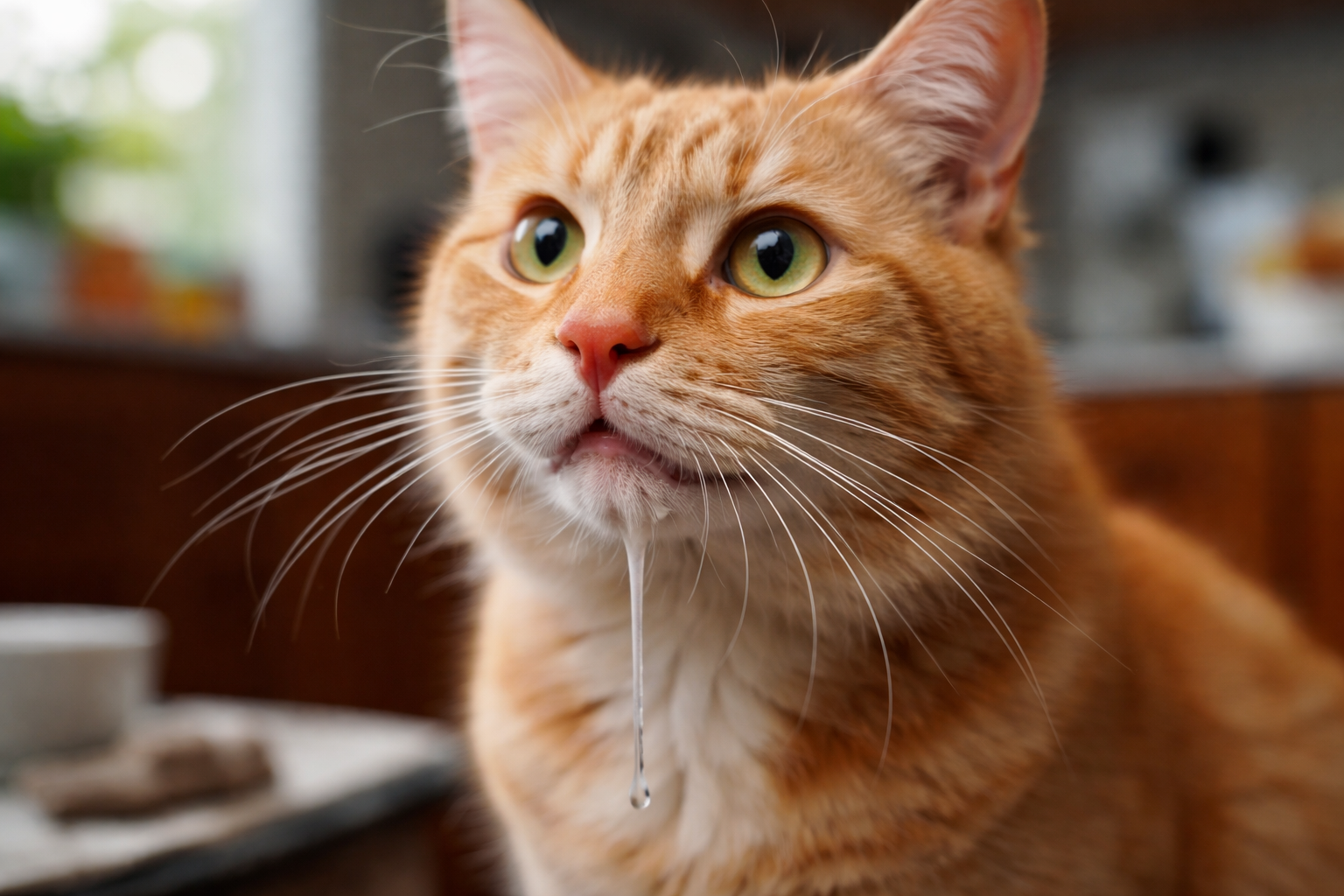
If you’ve noticed your cat drooling and found yourself wondering “why is my cat drooling,” you’re not alone. While drooling is completely normal in dogs, excessive salivation in cats often signals something that requires attention. Cat drooling can range from harmless behavioral responses to serious medical emergencies, making it essential for every cat owner to understand the underlying causes.
Unlike their canine counterparts, cats typically don’t drool unless something specific triggers the response. Whether your feline friend is leaving wet spots on your lap, has saliva dripping from their mouth, or you’ve noticed unexplained moisture around their face, this comprehensive guide will help you identify why your cat is drooling and what steps you should take.
In this expert veterinary guide, we’ll explore every possible reason behind cat drooling—from benign causes like contentment and stress to serious conditions requiring immediate veterinary intervention. You’ll learn to recognize warning signs, understand when drooling constitutes an emergency, and discover evidence-based solutions to help your cat.
Understanding Normal vs. Abnormal Cat Drooling
What Is Considered Normal Drooling in Cats?
While cats aren’t known for being droolers, certain situations can trigger mild, temporary salivation that’s completely normal. Understanding the difference between physiological drooling and pathological hypersalivation is crucial for cat owners.
Normal drooling characteristics:
- Occurs only during specific, predictable situations
- Small amounts of clear saliva
- No accompanying symptoms like lethargy, vomiting, or behavioral changes
- Stops quickly when the trigger is removed
- Cat appears otherwise healthy and happy
What Qualifies as Abnormal or Excessive Drooling?
Abnormal drooling, medically termed ptyalism or hypersalivation, requires veterinary attention when it presents with these features:
Warning signs of problematic drooling:
- Sudden onset without clear trigger
- Persistent drooling lasting more than 30 minutes
- Large amounts of saliva pooling or dripping
- Discolored saliva (bloody, brown, or foul-smelling)
- Difficulty swallowing or signs of pain
- Pawing at the mouth
- Changes in eating or drinking habits
- Behavioral changes or lethargy
- Drooling from only one side of the mouth
The volume, duration, appearance, and accompanying symptoms help distinguish benign drooling from conditions requiring medical intervention.
Common Harmless Reasons Why Cats Drool
1. Contentment and Relaxation (Happy Drooling)
Many cats drool when extremely relaxed, content, or experiencing pleasure. This phenomenon, sometimes called “happy drooling,” typically occurs during:
- Petting and affection sessions: When you hit that perfect scratching spot, some cats enter such a blissful state that they drool slightly
- Purring and kneading: The combination of purring and making biscuits often accompanies contentment drooling
- Lap sitting: Cats feeling completely safe and comfortable in your lap may drool small amounts
This type of drooling is completely harmless and actually indicates your cat trusts you deeply. The saliva is typically clear, minimal, and stops when the petting session ends.
2. Anticipation of Food
Some cats experience conditioned salivation when they:
- Hear the can opener
- See you preparing their food
- Smell particularly enticing meals
- Anticipate treats
This Pavlovian response is normal and mirrors the same anticipatory salivation humans experience when smelling delicious food.
3. Stress and Anxiety
Cats may drool when experiencing psychological stress, including:
- Car rides: Motion sickness combined with anxiety often triggers drooling
- Veterinary visits: The stress of examination can stimulate excess salivation
- New environments: Moving or visiting unfamiliar places
- Introduction of new pets: Territorial stress may manifest as drooling
Stress-induced drooling usually resolves once the cat returns to comfortable surroundings. If anxiety persists, behavioral modification techniques or veterinary intervention may help.
4. Medication Administration
Certain medications taste extremely bitter to cats, causing:
- Immediate drooling or foaming at the mouth
- Head shaking
- Excessive lip licking
This reaction is temporary and typically subsides within 10-15 minutes. Never assume medication-related drooling is always harmless—some medications can cause adverse reactions requiring veterinary consultation.
Medical Causes of Cat Drooling
Oral and Dental Disease
Dental problems represent one of the most common medical reasons cats drool excessively.
Periodontal Disease: Affecting over 70% of cats by age three, periodontal disease causes inflammation, infection, and pain that stimulates drooling. Signs include:
- Bad breath (halitosis)
- Red, swollen gums
- Reluctance to eat hard food
- Visible tartar buildup
- Bleeding gums
Tooth Resorption: This painful condition, unique to cats, involves progressive destruction of tooth structure. Cats with tooth resorption often:
- Drool excessively
- Drop food while eating
- Show preference for soft foods
- Exhibit pain when eating
Gingivostomatitis: This severe inflammatory condition causes extremely painful mouth ulcers, leading to:
- Profuse drooling
- Inability to eat
- Weight loss
- Visible inflammation throughout the mouth
Foreign Objects Lodged in the Mouth
Cats are curious creatures, and foreign bodies frequently become stuck in their mouths:
Common culprits:
- String or thread wrapped around the tongue or teeth
- Plant material (grass awns, foxtails)
- Bone fragments
- Fish hooks
- Rubber bands
- Wooden splinters
Foreign objects cause immediate, often profuse drooling, accompanied by:
- Pawing at the mouth
- Difficulty closing the mouth
- Gagging or retching
- Audible distress
This constitutes a veterinary emergency requiring immediate professional removal to prevent complications.
Oral Tumors and Masses
While less common, oral tumors can develop in cats and cause persistent drooling:
Squamous Cell Carcinoma: The most common oral tumor in cats, typically affecting older animals. Symptoms include:
- Progressive drooling
- Difficulty eating
- Facial swelling
- Bleeding from the mouth
- Halitosis
Other oral masses:
- Fibrosarcomas
- Melanomas
- Benign growths (epulides, polyps)
Any unexplained oral mass warrants immediate veterinary evaluation, as early detection significantly improves treatment outcomes.
Dental Problems That Cause Excessive Drooling
The Connection Between Dental Health and Drooling
Dental disease causes pain and inflammation that stimulates excessive salivation. The body produces extra saliva in attempt to:
- Wash away bacteria and debris
- Soothe irritated tissues
- Lubricate painful areas
Stages of Dental Disease in Cats
Stage 1 (Gingivitis):
- Mild gum inflammation
- Slight drooling may begin
- Reversible with professional cleaning
Stage 2 (Early Periodontitis):
- Moderate inflammation
- Beginning bone loss
- More noticeable drooling
- Bad breath
Stage 3 (Moderate Periodontitis):
- Significant bone loss (25-50%)
- Persistent drooling
- Pain while eating
- Possible tooth mobility
Stage 4 (Advanced Periodontitis):
- Severe bone loss (>50%)
- Profuse drooling
- Tooth loss
- Systemic health implications
Feline Odontoclastic Resorptive Lesions (FORLs)
These extremely painful lesions affect up to 75% of cats over five years old. The body essentially destroys its own tooth structure, creating:
- Cavities at the gum line
- Exposed nerve endings
- Extreme sensitivity
- Excessive drooling as a pain response
Stomatitis: The Severe Inflammatory Response
Feline chronic gingivostomatitis (FCGS) causes widespread, severe inflammation affecting:
- Gums
- Tongue
- Throat
- Inner cheeks
Cats with stomatitis exhibit:
- Extreme drooling
- Inability to eat despite hunger
- Unkempt coat (unable to groom)
- Severe halitosis
- Behavioral changes from chronic pain
Treatment often requires full-mouth tooth extraction, which paradoxically improves quality of life significantly.
Toxic Substances and Poisoning
Common Household Toxins That Cause Cat Drooling
Poisoning represents a true veterinary emergency. Cats are particularly susceptible to toxins due to their unique metabolism and grooming habits.
Plants Toxic to Cats:
- Lilies: All parts are extremely toxic, causing drooling, vomiting, and kidney failure
- Sago palms: Highly toxic, causing drooling, vomiting, seizures
- Azaleas and rhododendrons: Cardiovascular and neurological toxicity
- Dieffenbachia: Causes immediate mouth pain and profuse drooling
- Philodendron: Oral irritation and excessive salivation
Household Products:
- Cleaning products (bleach, detergents)
- Essential oils (tea tree, eucalyptus, citrus)
- Antifreeze (ethylene glycol) – sweet taste attracts cats
- Insecticides and rodenticides
- Human medications (acetaminophen, ibuprofen, antidepressants)
Permethrin Toxicity: A Common Cat Emergency
Permethrin, found in many dog flea treatments, is extremely toxic to cats, causing:
- Immediate, profuse drooling
- Tremors and seizures
- Difficulty breathing
- Potential death without treatment
Never use dog flea products on cats and keep treated dogs separated from cats until completely dry.
Signs Your Cat Has Been Poisoned
Immediate symptoms often include:
- Sudden, excessive drooling
- Vomiting or diarrhea
- Tremors or seizures
- Difficulty breathing
- Dilated or constricted pupils
- Weakness or collapse
- Unusual behavior or disorientation
If you suspect poisoning:
- Remove your cat from the source immediately
- Don’t induce vomiting unless instructed by a veterinarian
- Bring the product container/packaging to the vet
- Seek emergency veterinary care immediately
- Call Pet Poison Helpline (855-764-7661) or ASPCA Poison Control (888-426-4435)
Nausea and Digestive Issues
Why Nausea Causes Drooling in Cats
The connection between nausea and hypersalivation is well-established. When cats feel nauseous, their bodies produce excess saliva as a protective mechanism before vomiting.
Common Causes of Nausea-Related Drooling
Gastrointestinal Problems:
- Inflammatory bowel disease (IBD)
- Gastritis or gastroenteritis
- Intestinal parasites
- Dietary indiscretion (eating spoiled food)
- Food allergies or sensitivities
- Pancreatitis
Kidney Disease: Chronic kidney disease affects approximately 30-40% of cats over 10 years old. Uremic toxins cause:
- Persistent nausea
- Excessive drooling
- Poor appetite
- Weight loss
- Increased thirst and urination
Liver Disease: Hepatic conditions cause drooling through:
- Nausea from toxin buildup
- Hepatic encephalopathy
- Jaundice (visible in gums and eyes)
Hairballs: While common, severe hairball issues can cause:
- Drooling before vomiting
- Gagging and retching
- Decreased appetite
Motion Sickness in Cats
Many cats experience motion sickness during car travel, resulting in:
- Excessive drooling
- Vomiting
- Yowling or meowing
- Restlessness
Management strategies include:
- Gradual desensitization to car rides
- Anti-nausea medications (maropitant/Cerenia)
- Proper carrier ventilation
- Withholding food 2-3 hours before travel
Respiratory and Upper Airway Problems
Upper Respiratory Infections (URI)
Viral and bacterial infections commonly cause drooling in cats, especially young animals or those from shelters.
Feline Herpesvirus (FHV-1):
- Causes painful oral ulcers
- Nasal discharge
- Excessive drooling
- Loss of appetite
- Sneezing and conjunctivitis
Feline Calicivirus:
- Oral ulceration, particularly on tongue
- Profuse drooling
- Reluctance to eat
- Limping (in some strains)
Bacterial Infections: Secondary bacterial infections often complicate viral URIs, causing:
- Thick nasal discharge
- Increased drooling
- Fever
- Lethargy
Pneumonia and Lower Respiratory Disease
Cats with pneumonia may drool due to:
- Difficulty breathing creating mouth breathing
- Nausea from systemic illness
- Accumulation of respiratory secretions
Nasopharyngeal Polyps
These benign growths in the throat can cause:
- Noisy breathing
- Drooling from difficulty swallowing
- Chronic nasal discharge
- Changes in vocalization
Neurological Conditions and Drooling
Seizures and Epilepsy
Cats experiencing seizures often drool before, during, or after episodes due to:
- Loss of swallowing control
- Jaw clenching
- Altered consciousness
Types of seizures causing drooling:
- Grand mal (generalized tonic-clonic)
- Focal seizures affecting facial muscles
- Complex partial seizures
Rabies: The Fatal Consideration
While rare in vaccinated indoor cats, rabies remains a consideration for any unexplained neurological symptoms with drooling.
Rabies warning signs:
- Dramatic behavior changes
- Excessive drooling (“foaming at mouth”)
- Difficulty swallowing
- Paralysis
- Aggression or unusual friendliness
Any suspicion of rabies requires immediate veterinary consultation and quarantine protocols.
Other Neurological Causes
Vestibular Disease: Inner ear problems causing:
- Head tilt
- Loss of balance
- Drooling from nausea
- Rapid eye movements (nystagmus)
Brain Tumors: Masses affecting swallowing centers or causing nausea can lead to:
- Progressive drooling
- Behavioral changes
- Seizures
- Neurological deficits
Nerve Damage: Trauma affecting facial nerves may cause:
- One-sided drooling
- Inability to close mouth properly
- Dropped jaw
When Cat Drooling Is a Medical Emergency
Red Flag Symptoms Requiring Immediate Veterinary Care
Seek emergency veterinary attention if drooling occurs with:
Respiratory Distress:
- Open-mouth breathing
- Blue-tinged gums
- Rapid or labored breathing
- Gasping for air
Neurological Signs:
- Seizures
- Loss of consciousness
- Inability to walk or stand
- Severe head tilt or circling
- Dilated or unequal pupils
Cardiovascular Symptoms:
- Pale or white gums
- Weak pulse
- Cold extremities
- Collapse
Severe Pain Indicators:
- Crying or yowling
- Aggression when touched
- Hiding and refusing interaction
- Rigid body posture
Toxicity Signs:
- Known exposure to toxins
- Sudden onset with tremors
- Vomiting and diarrhea
- Disorientation
Foreign Body Evidence:
- Visible object in mouth
- Pawing frantically at face
- Inability to close mouth
- String visible under tongue or protruding from mouth
The 24-Hour Rule
If your cat exhibits unexplained drooling without other symptoms, monitor closely for 24 hours. Contact your veterinarian if:
- Drooling persists beyond 24 hours
- Any new symptoms develop
- Your cat stops eating or drinking
- Behavior changes occur
When in doubt, always err on the side of caution and consult your veterinarian.
How to Diagnose the Cause of Cat Drooling
What to Expect at the Veterinary Examination
Your veterinarian will conduct a systematic evaluation including:
Comprehensive History:
- Onset and duration of drooling
- Accompanying symptoms
- Recent activities (outdoor access, new foods, medications)
- Vaccination status
- Past medical history
Physical Examination:
- Vital signs (temperature, heart rate, respiratory rate)
- Body condition assessment
- Hydration status
- Lymph node palpation
Oral Examination:
- Thorough inspection of teeth, gums, tongue
- Assessment for foreign objects
- Evaluation of oral masses or lesions
- Dental disease staging
Diagnostic Tests for Drooling Cats
Based on findings, your vet may recommend:
Blood Work:
- Complete blood count (CBC) – detects infection, anemia
- Chemistry panel – evaluates kidney, liver, electrolytes
- Thyroid testing – hyperthyroidism assessment
Urinalysis:
- Kidney function evaluation
- Detection of urinary tract disease
Imaging:
- Dental radiographs: Essential for comprehensive dental assessment
- Chest X-rays: Evaluate for respiratory disease, masses
- Abdominal ultrasound: Assess internal organs
Specialized Testing:
- Infectious disease panels: FeLV, FIV, URI pathogens
- Biopsy: For oral masses or suspicious lesions
- Neurological examination: If seizures or other signs present
- Toxicology screening: When poisoning is suspected
The Importance of Early Diagnosis
Many conditions causing drooling progress rapidly or become more difficult to treat when delayed. Early diagnosis:
- Improves treatment outcomes
- Reduces patient suffering
- Often decreases overall treatment costs
- May be life-saving in emergency situations
Treatment Options for Drooling Cats
Treating the Underlying Cause
Effective drooling treatment requires addressing the root condition rather than just the symptom.
Dental Treatments
Professional Dental Cleaning: Performed under general anesthesia, includes:
- Comprehensive oral examination
- Scaling to remove tartar and plaque
- Polishing to smooth tooth surfaces
- Dental radiographs
- Extraction of diseased teeth when necessary
Tooth Extraction: While seemingly drastic, extraction of painful teeth often:
- Immediately relieves suffering
- Stops drooling related to dental pain
- Improves appetite and quality of life
- Resolves chronic infection
Stomatitis Treatment:
- Full-mouth extractions often necessary
- Anti-inflammatory medications
- Antibiotics for secondary infection
- Pain management
- Immune-modulating drugs in some cases
Medical Management
Antibiotics: For bacterial infections causing:
- URI complications
- Dental abscess
- Infected wounds
Anti-nausea Medications:
- Maropitant (Cerenia) – blocks vomiting center
- Ondansetron – reduces nausea
- Famotidine or omeprazole – reduces stomach acid
Antiviral Medications:
- L-lysine supplements for herpesvirus
- Interferon therapy in some cases
- Supportive care for viral infections
Pain Management:
- Buprenorphine for moderate to severe pain
- NSAIDs (with caution in cats)
- Gabapentin for neuropathic pain
Emergency Interventions
Foreign Body Removal:
- Often requires sedation or anesthesia
- May need endoscopic retrieval
- Surgical intervention for deep lodgement
Toxin Exposure:
- Activated charcoal administration
- IV fluid therapy
- Specific antidotes when available
- Supportive care and monitoring
Seizure Management:
- Anti-epileptic medications
- Emergency seizure protocols
- Long-term management plans
Supportive Care
Regardless of the underlying cause, supportive care includes:
- Maintaining hydration
- Nutritional support
- Stress reduction
- Gentle cleaning of drooled saliva from fur
- Creating comfortable environment
Home Care and Prevention Strategies
Daily Dental Care for Cats
Tooth Brushing: The gold standard for preventing dental disease:
- Use cat-specific toothpaste (human toothpaste is toxic)
- Start gradually with finger brushing
- Progress to soft-bristled cat toothbrush
- Aim for daily brushing (minimum 3x weekly)
Dental Treats and Diets:
- VOHC (Veterinary Oral Health Council) approved products
- Dental prescription diets designed to reduce tartar
- Dental treats that mechanically clean teeth
Dental Toys:
- Chew toys designed for dental health
- Products that promote natural chewing behaviors
Environmental Safety Measures
Toxin-Proof Your Home:
- Store household chemicals securely
- Keep toxic plants out of reach or remove entirely
- Never use dog flea products on cats
- Secure medications in pet-proof containers
- Use cat-safe cleaning products
Safe Plant Choices: Cat-safe alternatives to toxic plants:
- Spider plants
- Boston ferns
- Cat grass
- Catnip
- African violets
Stress Reduction Techniques
Since stress can trigger drooling:
- Maintain consistent routines
- Provide adequate vertical space
- Ensure multiple resources (litter boxes, food bowls)
- Use pheromone diffusers (Feliway)
- Create safe hiding spaces
- Gradually introduce changes
Regular Veterinary Care
Preventive Healthcare:
- Annual wellness examinations (biannual for seniors)
- Stay current on vaccinations
- Regular parasite prevention
- Dental assessments and cleanings as recommended
- Early detection through routine bloodwork
Monitoring Your Cat at Home
Normal Behavior Baseline: Knowing your cat’s normal patterns helps identify changes:
- Typical eating and drinking habits
- Regular elimination patterns
- Standard activity levels
- Usual grooming behavior
- Normal interaction preferences
When to Be Concerned: Any deviation from normal, including:
- Changes in appetite or thirst
- Altered litter box habits
- Decreased grooming
- Behavioral changes
- New symptoms like drooling
Frequently Asked Questions
Why is my cat drooling when I pet her?
If your cat drools small amounts of clear saliva only during petting sessions and appears relaxed and happy, this is typically contentment drooling. Many cats drool when experiencing extreme relaxation or pleasure. However, if the drooling is excessive, sudden, or accompanied by other symptoms, consult your veterinarian.
Is it normal for cats to drool while sleeping?
Occasional minimal drooling during deep sleep can be normal, especially if your cat sleeps with their mouth slightly open. However, persistent or excessive drooling during sleep may indicate dental disease, oral pain, or respiratory issues requiring veterinary evaluation.
What does it mean when my cat drools clear liquid?
Clear drooling can indicate normal physiological responses (contentment, food anticipation) or early stages of various conditions. Monitor for other symptoms. If drooling persists beyond 30 minutes or occurs without clear trigger, veterinary examination is warranted.
Can stress cause a cat to drool excessively?
Yes, acute stress and anxiety commonly trigger drooling in cats. Stressors include car rides, veterinary visits, new environments, or introduction of new pets. Stress-related drooling typically resolves when the cat returns to comfortable surroundings. Chronic stress drooling may require behavioral intervention.
Why is my cat drooling thick saliva?
Thick, ropy saliva often indicates more serious issues than clear drooling, including severe dental disease, oral infections, or certain toxins. This requires prompt veterinary attention, especially if accompanied by bad breath, difficulty eating, or behavioral changes.
Should I be worried if my cat suddenly starts drooling?
Sudden onset drooling without clear benign cause (petting, food) warrants concern. Potential serious causes include foreign objects, toxin exposure, or acute illness. Contact your veterinarian promptly, especially if drooling persists beyond 30 minutes or other symptoms develop.
How can I tell if my cat’s drooling is an emergency?
Emergency drooling includes any drooling accompanied by difficulty breathing, seizures, collapse, known toxin exposure, inability to close mouth, severe pain signs, or sudden neurological symptoms. Seek immediate veterinary care in these situations.
Why is my cat drooling after taking medication?
Many medications taste bitter to cats, causing temporary drooling or foaming. This typically resolves within 10-15 minutes. Offer a small amount of food or water to help clear the taste. However, if drooling persists or other symptoms develop, contact your veterinarian regarding potential adverse reactions.
Can kidney disease cause drooling in cats?
Yes, chronic kidney disease frequently causes drooling through uremic toxin buildup leading to nausea and mouth ulcers. Other signs include increased thirst and urination, weight loss, and poor appetite. Kidney disease requires veterinary diagnosis and management.
What home remedies can help a drooling cat?
Never attempt home remedies without first identifying the cause. Once your veterinarian has diagnosed the issue, they may recommend specific home care. Generally, keep your cat comfortable, maintain hydration, and follow prescribed treatments. Never give human medications without veterinary approval.
How much does it cost to treat a drooling cat?
Treatment costs vary dramatically based on the underlying cause:
- Basic examination: $50-$150
- Dental cleaning with extractions: $300-$1,500
- Foreign body removal: $500-$2,000
- Emergency toxicity treatment: $500-$5,000+
- Treatment for chronic conditions: Ongoing costs variable
Pet insurance can help manage unexpected veterinary costs.
Can old age cause cats to drool?
Age itself doesn’t cause drooling, but senior cats are more prone to conditions that cause drooling, including dental disease, kidney disease, cancer, and cognitive decline. Any drooling in senior cats warrants veterinary evaluation to identify and treat underlying age-related conditions.
Conclusion
Understanding why your cat is drooling is essential for protecting your feline companion’s health and wellbeing. While some drooling results from benign causes like contentment or food anticipation, many cases signal medical conditions requiring professional attention.
Key takeaways from this comprehensive guide:
- Normal drooling is temporary, minimal, and associated with clear triggers like petting or food
- Dental disease represents the most common medical cause of cat drooling
- Toxin exposure causes drooling and constitutes a life-threatening emergency
- Nausea from various conditions frequently manifests as excessive salivation
- Immediate veterinary care is essential when drooling accompanies respiratory distress, neurological symptoms, or severe pain
The single most important message: trust your instincts. You know your cat better than anyone. If your cat’s drooling concerns you or seems abnormal, seeking veterinary guidance is always the right choice. Early intervention prevents suffering, improves treatment outcomes, and can be life-saving.
Take Action Today:
- Schedule a veterinary wellness examination if your cat hasn’t been seen recently
- Implement daily dental care to prevent the most common cause of drooling
- Toxin-proof your home by removing dangerous plants and securing chemicals
- Monitor your cat for any changes in behavior, appetite, or new symptoms
- Keep your veterinarian’s phone number and nearest emergency clinic information readily available
Your cat depends on you to recognize when something isn’t right and to seek appropriate care. By understanding the many reasons behind feline drooling and knowing when to act, you’re taking an important step toward being the best possible advocate for your cat’s health.
Don’t wait if your cat is showing concerning drooling—contact your veterinarian today for peace of mind and proper care. Your cat’s health and happiness are worth the investment in professional veterinary guidance.