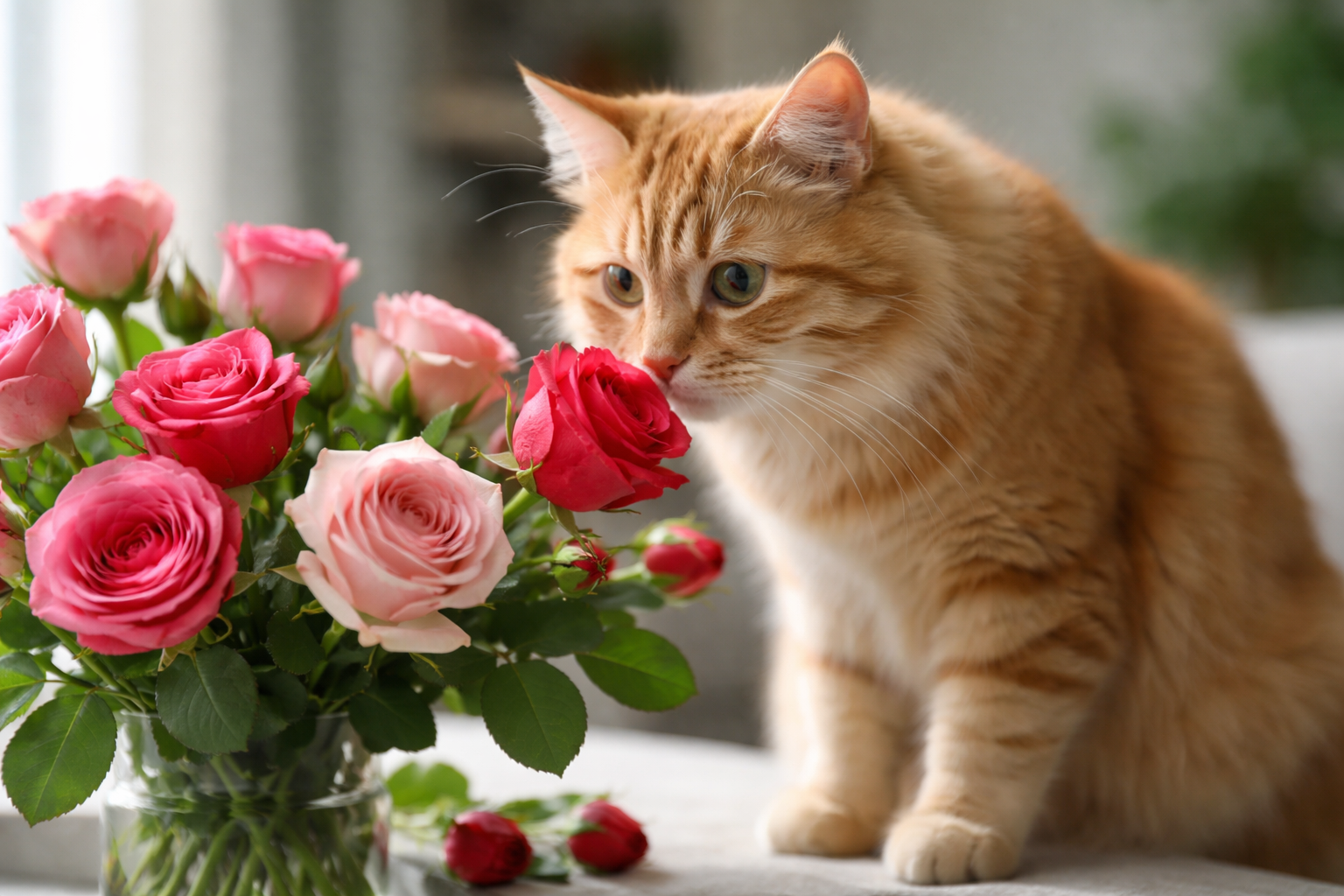
Are roses toxic to cats? This is one of the most frequently asked questions by cat owners who love flowers and want a beautiful home without putting their pets at risk. The good news is that true roses are not toxic to cats. However, the full answer is more complex than a simple yes or no. While roses themselves are considered non-toxic, they can still pose several hidden dangers depending on how they are grown, treated, and presented in your home. This in-depth, vet-informed guide explains everything you need to know, from rose safety and common misconceptions to real risks, symptoms to watch for, and how to create a truly cat-safe environment.
What Does “Toxic to Cats” Really Mean?
When people ask whether roses are toxic to cats, they often mean whether a plant can poison their pet. In veterinary terms, toxicity refers to a plant’s ability to cause harmful physiological effects after ingestion, inhalation, or skin contact. Toxic plants may lead to vomiting, diarrhea, neurological symptoms, organ failure, or even death. Not all harmful plants are equally dangerous. Some cause mild stomach upset, while others, such as lilies, can be fatal even in extremely small amounts. Understanding this distinction is essential before evaluating the real risk roses pose to cats.
Are Roses Toxic to Cats or Just a Mild Risk?
True roses from the Rosa genus are not toxic to cats. This means they do not contain chemical compounds known to poison cats when eaten. According to veterinary toxicology resources and pet poison control databases, roses are generally classified as safe for cats. However, non-toxic does not mean completely harmless. Cats can still experience issues related to physical injury, digestive irritation, or exposure to chemicals commonly found on roses sold commercially.
Why Many Cat Owners Ask: Are Roses Toxic to Cats?
Cats are naturally curious animals. They explore their environment using their mouths and paws, often chewing on plants out of boredom, curiosity, or instinct. Because many popular flowers are toxic to cats, pet owners are right to question the safety of any plant brought into the home. Roses are especially common gifts and decorations, making it essential to understand whether they are truly safe or only relatively safe compared to more dangerous plants.
Why Roses Are Classified as Non-Toxic to Cats
Roses do not contain toxic alkaloids, glycosides, or essential oils that are harmful to cats. The petals, leaves, stems, and even rose hips are considered non-toxic. If a cat chews on rose petals or leaves, the most common outcome is no reaction at all. In some cases, a cat may experience very mild gastrointestinal upset, such as brief vomiting or loose stool, especially if a large amount is consumed. These effects are usually temporary and resolve without medical treatment.
Hidden Dangers of Roses for Cats
Even though roses themselves are not toxic, they are not entirely risk-free. One of the biggest dangers comes from rose thorns. Thorns can cause cuts and puncture wounds in a cat’s mouth, gums, tongue, nose, or paws. These injuries may lead to pain, infection, or swelling if not treated properly. Another significant risk comes from pesticides, herbicides, fungicides, and preservatives. Most store-bought roses are treated with chemicals to extend their lifespan and improve appearance. These substances can be toxic to cats if ingested, inhaled, or absorbed through the skin. Even drinking water from a vase containing treated roses can expose a cat to harmful chemicals.
Are Roses Toxic to Cats Compared to Other Flowers?
Compared to many popular flowers, roses are relatively safe. Flowers such as lilies, tulips, daffodils, hyacinths, and oleander are highly toxic to cats and can cause severe or fatal reactions. In contrast, roses do not cause systemic poisoning. However, this relative safety sometimes leads owners to underestimate other risks, such as misidentified plants or chemical exposure, which can be just as dangerous.
Plants Commonly Confused With Roses That Are Toxic to Cats
A major source of confusion comes from plants that contain the word “rose” in their name but are not true roses. These plants can be extremely dangerous to cats. The desert rose is highly toxic and can cause serious heart problems. The Christmas rose is also toxic and can lead to vomiting, drooling, and neurological symptoms. Rosebay, another name for oleander, is one of the most dangerous plants for cats and can be fatal. Always verify the scientific name of a plant before assuming it is safe.
Are Rose Thorns Dangerous to Cats?
Rose thorns present a physical hazard, especially for indoor cats that may not know how to avoid them. Thorns can puncture the mouth or throat, scratch the eyes, or embed themselves in the skin. Even small wounds can become infected if bacteria enter the injury site. Cats that play with or chew on roses are at higher risk of thorn-related injuries, making supervision and proper placement essential.
Rose Products: Fresh Roses, Dried Roses, and Rose Oils
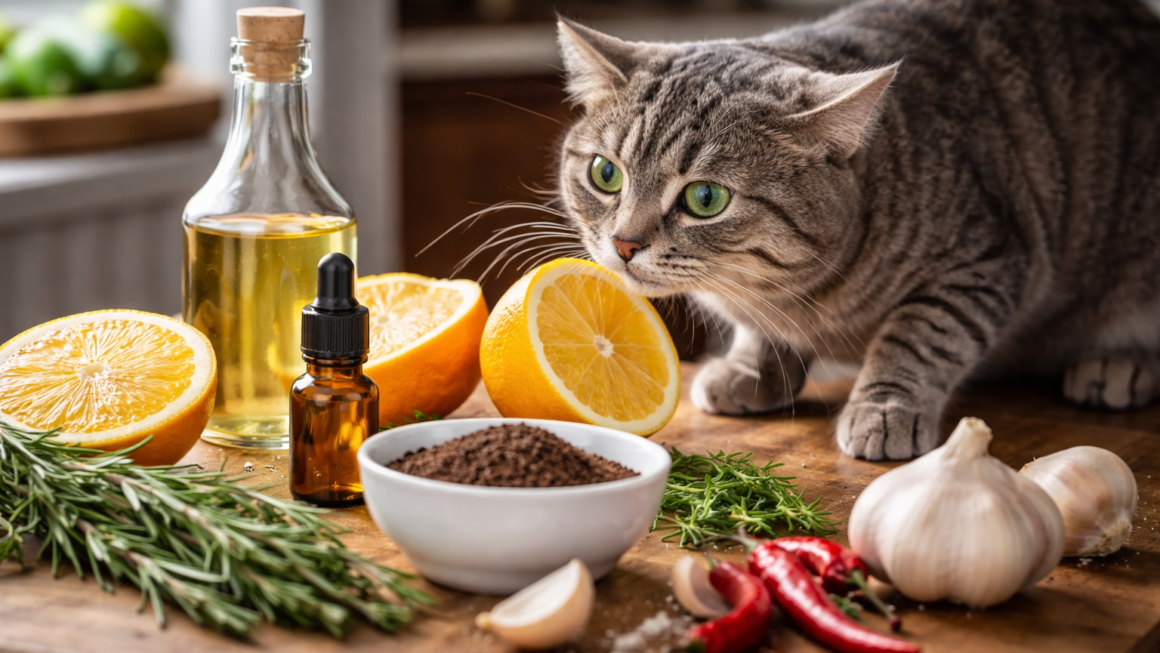
Fresh roses grown organically and free of chemicals are generally the safest option for cat owners. Dried roses, however, are often treated with preservatives and may pose a chemical risk. Rose essential oils are not safe for cats under any circumstances. Cats lack the liver enzymes needed to process many essential oils, and exposure can cause respiratory distress, liver damage, or neurological symptoms. Rose water may be safe in very small amounts if it is food-grade and free of additives, but it should never be given to cats without veterinary guidance.
Symptoms to Watch If Your Cat Eats Roses
If your cat eats roses, monitor for signs such as excessive drooling, pawing at the mouth, vomiting, diarrhea, lethargy, swelling of the lips or tongue, or refusal to eat. These symptoms are more likely related to physical irritation or chemical exposure than to the rose itself. Mild symptoms that resolve quickly are usually not a cause for concern, but persistent or severe symptoms require veterinary attention.
What to Do If Your Cat Eats Roses
If you notice your cat chewing on roses, remove the plant immediately to prevent further exposure. Check your cat’s mouth for cuts, swelling, or stuck thorns. If your cat allows it, gently rinse the mouth with clean water. Monitor your cat closely for the next 24 hours. Do not induce vomiting unless specifically instructed by a veterinarian. If you suspect pesticide exposure or if symptoms worsen, contact your veterinarian or a pet poison helpline right away.
When to Call the Veterinarian
You should contact your veterinarian immediately if your cat shows persistent vomiting, difficulty breathing, bleeding from the mouth or nose, severe lethargy, signs of pain, or any neurological symptoms. Emergency care is especially important if you believe your cat was exposed to pesticides, fertilizers, or essential oils, as these can cause serious complications if left untreated.
Safe Flowers for Cat-Friendly Homes
If you enjoy having flowers at home, there are several cat-safe options you can choose from. Roses, when untreated, are generally safe. Other non-toxic flowers include sunflowers, orchids, gerbera daisies, snapdragons, and zinnias. Always rinse plants thoroughly before bringing them indoors and avoid placing them where your cat can easily chew on them.
Flowers That Are Dangerous and Should Be Avoided
Certain flowers are extremely toxic to cats and should never be kept in a cat-friendly home. Lilies are the most dangerous, as even a small amount of pollen can cause fatal kidney failure. Tulips, daffodils, hyacinths, and oleander are also highly toxic and can cause severe symptoms. Avoid these plants entirely if you live with cats.
How to Cat-Proof Your Home With Plants
Creating a safe environment does not mean giving up plants altogether. Place plants out of reach using shelves or hanging planters. Avoid essential oil diffusers, especially those containing floral oils. Offer cat grass or catnip as safe alternatives to discourage chewing on houseplants. Always research new plants before bringing them into your home and prioritize organic, untreated options whenever possible.
Frequently Asked Questions About Whether Roses Are Toxic to Cats
Are roses toxic to cats if eaten? Roses are not toxic, but eating them may cause mild stomach upset or injury from thorns.
Can cats eat rose petals? Cats can eat small amounts of pesticide-free rose petals without poisoning, but it is not recommended.
Are rose leaves toxic to cats? Rose leaves are not toxic but may irritate the digestive system if eaten in large quantities.
Are roses safe for kittens? Roses are generally safe, but kittens are more prone to injury and should be kept away from thorns and treated plants.
What flowers are safest for cats? Roses, orchids, sunflowers, and gerbera daisies are among the safest options.
So, are roses toxic to cats? The answer is no, true roses are not poisonous to cats. However, they are not completely without risk. Thorns can cause injury, chemicals used on commercial roses can be toxic, and many plants with “rose” in their name are actually dangerous. By choosing untreated roses, avoiding essential oils, and keeping plants out of reach, you can enjoy flowers while keeping your cat safe. If you want a pet-friendly home, informed choices and careful plant selection make all the difference.