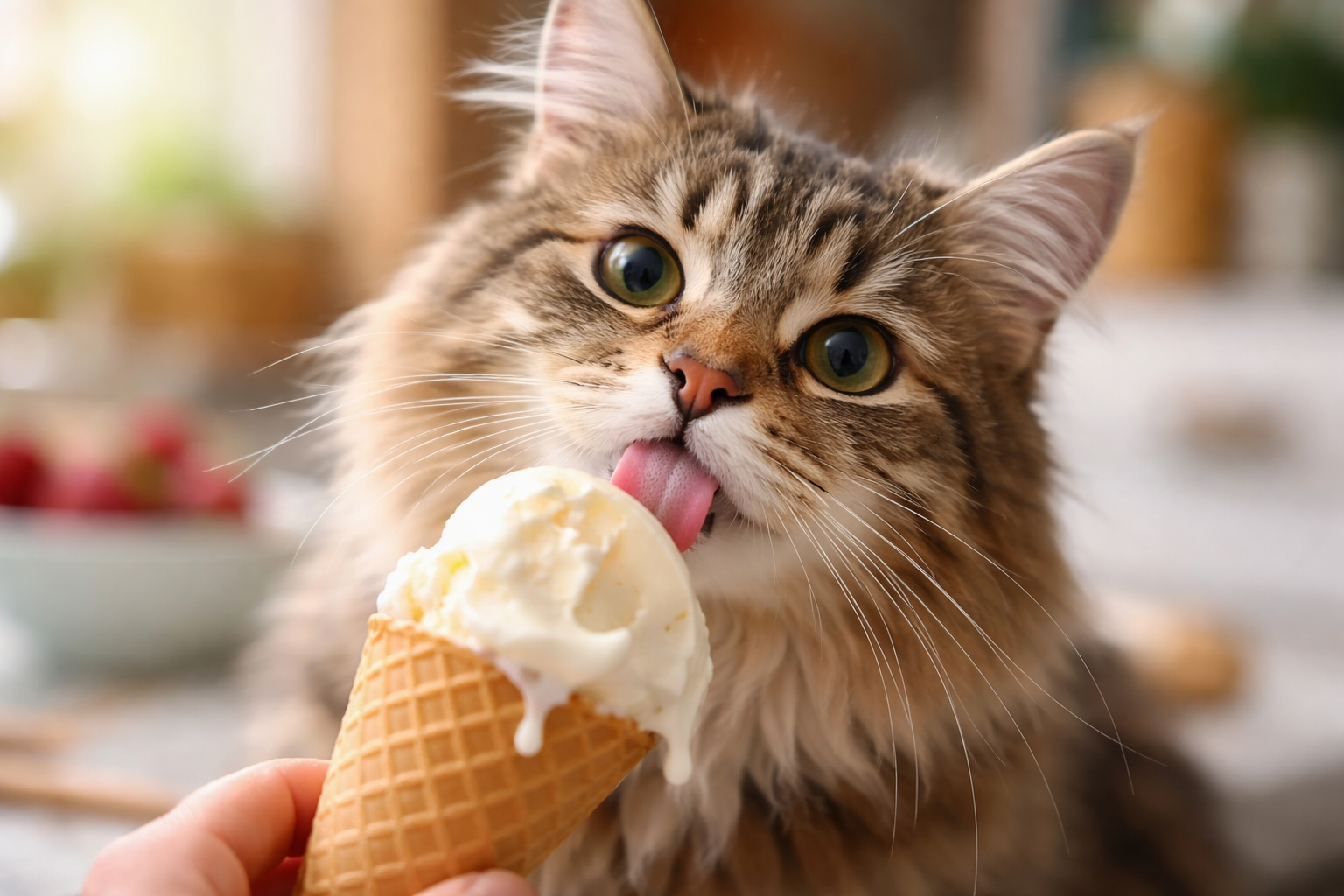
As a cat owner, you’ve probably caught your furry friend eyeing your bowl of ice cream with those irresistible pleading eyes. But can cats eat ice cream safely? The short answer is no – ice cream is generally not recommended for cats due to potential health risks like lactose intolerance, high sugar and fat content, and toxic additives. In this comprehensive guide, we’ll dive deep into why ice cream isn’t suitable for felines, explore safe alternatives, and provide expert advice to keep your cat healthy and happy. Whether you’re searching for “is ice cream bad for cats” or wondering about specific flavors like vanilla or chocolate, we’ve got you covered with science-backed insights and practical tips.
Understanding Your Cat’s Dietary Needs
To fully grasp why ice cream doesn’t fit into a cat’s diet, we need to start with the basics of feline nutrition. Cats are obligate carnivores, meaning their bodies are designed to thrive on a diet primarily composed of animal proteins. Unlike humans or dogs, who can handle a variety of plant-based foods, cats require specific nutrients like taurine, arachidonic acid, and vitamin A, which are naturally found in meat.
Obligate Carnivores: A Evolutionary Perspective
Cats evolved from desert-dwelling ancestors, such as the African wildcat, who hunted small prey for survival. This history shaped their digestive system to be short and efficient for processing proteins and fats, but poorly equipped for carbohydrates or dairy after weaning. In the wild, adult cats rarely encounter milk or sugary treats – their meals are fresh kills providing balanced nutrition without excess calories.
Modern domestic cats retain this physiology. Feeding them human foods like ice cream can disrupt their nutritional balance, leading to long-term issues like obesity or diabetes. According to veterinary experts, a cat’s ideal diet should consist of at least 26% protein and 9% fat on a dry matter basis, with minimal carbs. Ice cream, loaded with sugars and dairy, falls far outside these guidelines.
Lactose Intolerance in Cats: The Science Behind It
One of the primary reasons cats can’t handle ice cream is lactose intolerance. Kittens produce the enzyme lactase to digest their mother’s milk, but as they wean (around 8-12 weeks), lactase production drops dramatically. Adult cats often lack sufficient lactase, leaving lactose undigested in their gut where it ferments, drawing water into the intestines and causing diarrhea, bloating, and gas.
Veterinary studies show that symptoms typically appear 8-12 hours after dairy consumption. While some cats may tolerate small amounts due to residual lactase, most experience discomfort. This intolerance isn’t an allergy (which involves the immune system) but a digestive inefficiency. Understanding this helps explain why even a lick of ice cream can lead to tummy troubles.
What Is Ice Cream and Its Key Ingredients?
Ice cream is a frozen dessert made from dairy, sugar, and flavorings, churned to incorporate air for a creamy texture. But from a cat’s perspective, it’s a mix of problematic components.
Key Ingredients in Ice Cream
- Dairy (Milk, Cream): Provides the base but contains lactose.
- Sugar: Adds sweetness; cats can’t taste it but it spikes blood sugar.
- Fats: From cream or additives; excessive for cats.
- Flavorings and Additives: Vanilla extract, chocolate, nuts, or artificial sweeteners like xylitol.
Many commercial ice creams also include stabilizers like propylene glycol, which can be toxic to cats, causing hemolytic anemia.
Nutritional Breakdown: Ice Cream vs. Cat Food
Here’s a comparison table to illustrate why ice cream doesn’t stack up:
| Nutrient (per 100g) | Vanilla Ice Cream | Recommended Cat Food |
|---|---|---|
| Calories | 207 | 300-400 (dry) |
| Protein | 3.5g | 26-40g |
| Fat | 11g | 9-20g |
| Carbs/Sugar | 24g | <10g |
| Sodium | 80mg | 0.2-0.4% |
| Cholesterol | 44mg | Minimal |
Why Is Ice Cream Harmful to Cats?
Beyond the appeal of a cold treat, ice cream poses multiple risks. Let’s break it down.
Lactose and Dairy Issues
As discussed, lactose intolerance affects most adult cats, leading to gastrointestinal distress. Even lactose-free ice cream often retains high fats and sugars.
High Sugar Content
Cats don’t have sweet taste receptors, so they aren’t drawn to sugar for flavor – but it can cause insulin spikes, weight gain, and diabetes over time. Artificial sweeteners like xylitol are even worse, causing rapid blood sugar drops and liver failure.
Excessive Fats
High fat can trigger pancreatitis, a painful inflammation of the pancreas requiring vet care. Obesity affects 60-70% of U.S. cats, exacerbated by fatty treats.
Toxic Additives and Flavors
- Chocolate: Contains theobromine and caffeine, leading to vomiting, seizures, or death.
- Raisins/Grapes: Cause kidney failure.
- Nuts (e.g., Macadamia): Upset stomach, toxicity.
- Coffee or Caffeine: Heart and nervous system issues.
- Propylene Glycol: Hemolytic anemia.
Even vanilla ice cream, while less toxic, still has dairy and sugar issues.
Brain Freeze Phenomenon
Cold foods can cause “brain freeze” in cats – a sudden headache-like pain from rapid cooling of blood vessels. Videos show cats pausing in discomfort after licking ice cream.
Symptoms of Ice Cream Ingestion in Cats
If your cat sneaks some ice cream, watch for:
- Vomiting or regurgitation
- Diarrhea
- Bloating and gas
- Abdominal pain (hunching, restlessness)
- Lethargy
- Loss of appetite
- Increased thirst or urination (from sugar)
Severe cases with toxins may include seizures, incoordination, or dark urine. Symptoms often start within hours.
What to Do If Your Cat Eats Ice Cream
- Assess the amount and flavor – a lick of vanilla is less concerning than chocolate.
- Monitor for symptoms; mild cases resolve in 24 hours.
- Provide water and a bland diet if upset.
- Call your vet or poison hotline (e.g., ASPCA at 888-426-4435) if toxins are involved or symptoms persist.
- Prevent future access by storing treats securely.
Emergency vet visits are crucial for suspected toxicity.
Safe Alternatives to Ice Cream for Cats
Instead of risking ice cream, opt for cat-safe options that provide hydration and fun.
- Commercial Cat Treats: Look for frozen or lickable treats like Churu or Tiki Cat Stix – freeze them for a cool twist.
- Plain Yogurt: Low-lactose, probiotic-rich; chill for a treat.
- Goat’s Milk: Easier to digest, freeze into cubes.
- Broth Ice Cubes: Low-sodium chicken or fish broth frozen.
These keep calories low and align with cat nutrition.
Homemade Cat-Friendly Frozen Treat Recipes
Making treats at home ensures safety. Here are five vet-approved recipes (consult your vet for dietary needs).
1. Tuna Freeze Bites
Ingredients:
- 1 can water-packed tuna
- 1/4 cup water
Instructions:
- Blend tuna and water into a puree.
- Pour into ice cube trays.
- Freeze overnight.
- Serve one cube at a time.
2. Frozen Pate Cubes
Ingredients:
- 1 can pate-style wet cat food
- Optional: Sprinkle of catnip
Instructions:
- Mix food with catnip.
- Spoon into silicone molds.
- Freeze until solid.
- Pop out and serve.
Perfect for picky eaters.
3. Banana and Cat Food Bites
Ingredients:
- 4 ripe bananas, mashed
- 1/4 cup tiny cat treats or kibble
Instructions:
- Mash bananas.
- Mix in treats.
- Freeze in molds overnight.
Bananas provide potassium in moderation.
4. Salmon and Goat’s Milk Pops
Ingredients:
- 1/2 cup fresh salmon, cooked and flaked
- 1/2 cup goat’s milk
Instructions:
- Blend ingredients.
- Pour into molds.
- Freeze.
Rich in omega-3s for coat health.
Healthy Homemade Dog & Cat Treats | Pets Plus Us
5. Catnip Broth Ice Lollies
Ingredients:
- 1 cup low-sodium chicken broth
- 1 tsp dried catnip
Instructions:
- Steep catnip in broth.
- Strain and freeze in trays.
Stimulating and cooling.
These recipes are simple, using 2-4 ingredients, and can be customized.
Myths and Facts About Cats and Dairy
Myth: All cats love milk and it’s good for them. Fact: Cultural images of cats lapping milk are misleading; most are intolerant.
Myth: A little ice cream won’t hurt. Fact: Even small amounts can cause issues, especially with toxins.
Myth: Cats can taste sweetness in ice cream. Fact: They lack sweet receptors; attraction is to fat or texture.
Expert Veterinary Insights on Cats and Ice Cream
Veterinarians unanimously advise against ice cream. Dr. Joanna Woodnutt notes it offers no benefits and risks pancreatitis. Dr. Amy Fox emphasizes obligate carnivore needs, warning of toxins. Focus on balanced cat food for health.
Frequently Asked Questions
Can cats eat vanilla ice cream?
No, it’s still dairy-heavy and sugary, though less toxic than chocolate.
Can cats eat chocolate ice cream?
Absolutely not – chocolate is toxic.
Is dairy-free ice cream safe for cats?
It avoids lactose but often has high fats/sugars; not recommended.
Can kittens eat ice cream?
Kittens may tolerate dairy better but avoid due to sugar/fat.
How much ice cream can a cat have?
Ideally none; at most, a tiny lick once a month.
Do cats get brain freeze from ice cream?
Yes, it can cause discomfort.
Can cats eat strawberry ice cream?
Strawberries are safe in moderation, but the ice cream base isn’t.
Is ice cream good for cats in hot weather?
No; use frozen broth or water instead.
Can cats eat dog ice cream?
It’s non-toxic but high-calorie; not ideal.
Why do cats like ice cream?
They crave the fat, not the sweetness.
In summary, while the question “can cats eat ice cream” might tempt you with cute visions, the risks – from lactose intolerance to toxicity – far outweigh any momentary joy. Prioritize your cat’s health with a protein-rich diet and safe alternatives like homemade frozen treats. If you’re concerned about your cat’s nutrition or they’ve ingested something harmful, consult your veterinarian immediately. For more cat care tips, subscribe to our blog and share your experiences in the comments below – what’s your cat’s favorite safe treat?