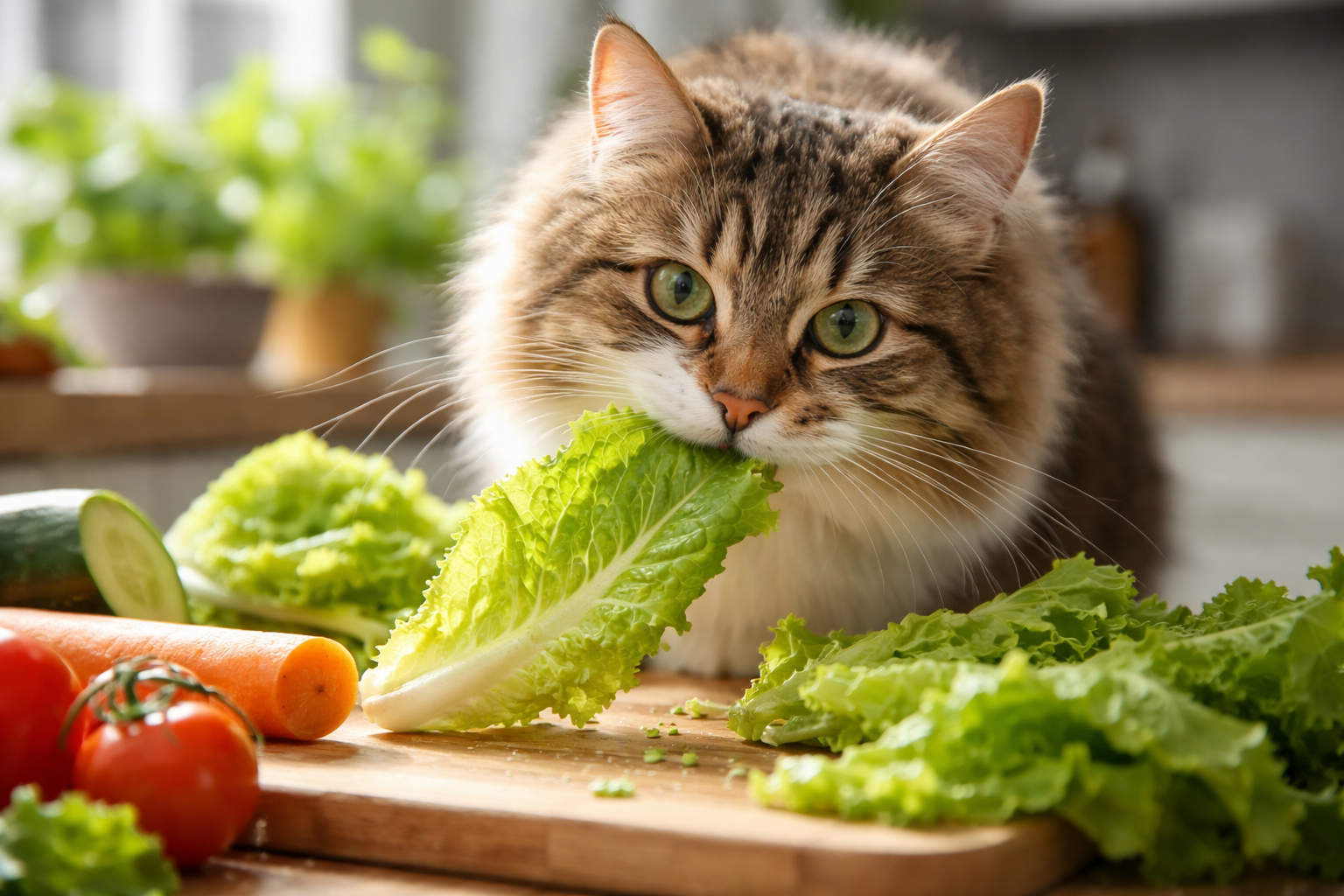
As a cat owner, you’ve probably caught your furry friend eyeing your salad or even sneaking a nibble from the veggie drawer. This raises the common question: can cats eat lettuce? The short answer is yes, cats can eat lettuce in moderation, but it’s not a staple they need in their diet. In this comprehensive guide, we’ll dive deep into everything you need to know about feeding lettuce to cats, from nutritional benefits to potential risks, preparation tips, and much more. Whether you’re searching for “is lettuce safe for cats” or wondering about specific types like romaine, this article covers it all to help you make informed decisions for your pet’s health.
With over 15 years of experience in pet nutrition and SEO-optimized content creation, I’ve crafted this guide to be the most thorough resource available. We’ll explore feline dietary needs, compare lettuce varieties, and provide practical advice to keep your cat happy and healthy. Let’s ensure your cat’s treats are both safe and beneficial.
Understanding Cats’ Dietary Needs as Obligate Carnivores
Before we delve into whether cats can have lettuce, it’s crucial to understand their fundamental nutritional requirements. Cats are obligate carnivores, meaning their bodies are biologically designed to thrive on a diet primarily composed of animal-based proteins. Unlike dogs or humans, who can derive significant nutrition from plants, cats rely on meat for essential nutrients like taurine, arachidonic acid, and vitamin A, which they can’t efficiently synthesize from plant sources.
In the wild, a cat’s diet consists almost entirely of prey animals, providing high protein, moderate fat, and minimal carbohydrates. Commercial cat foods are formulated to mimic this, with protein making up 30-50% of the calories. Vegetables like lettuce play no natural role in a cat’s diet, but in moderation, they can offer supplementary benefits without disrupting this balance.
Why do some cats show interest in greens? It could stem from instinctual behaviors, such as eating grass to aid digestion or purge hairballs. Lettuce, with its crisp texture and high water content, might appeal to cats for similar reasons. However, always prioritize a complete and balanced cat food as the foundation of their meals.
According to veterinary nutrition experts, treats—including vegetables—should not exceed 10% of a cat’s daily caloric intake to avoid nutritional imbalances. This ensures your cat gets the meat-derived nutrients they need while allowing room for occasional variety.
Is Lettuce Safe for Cats? The Basics
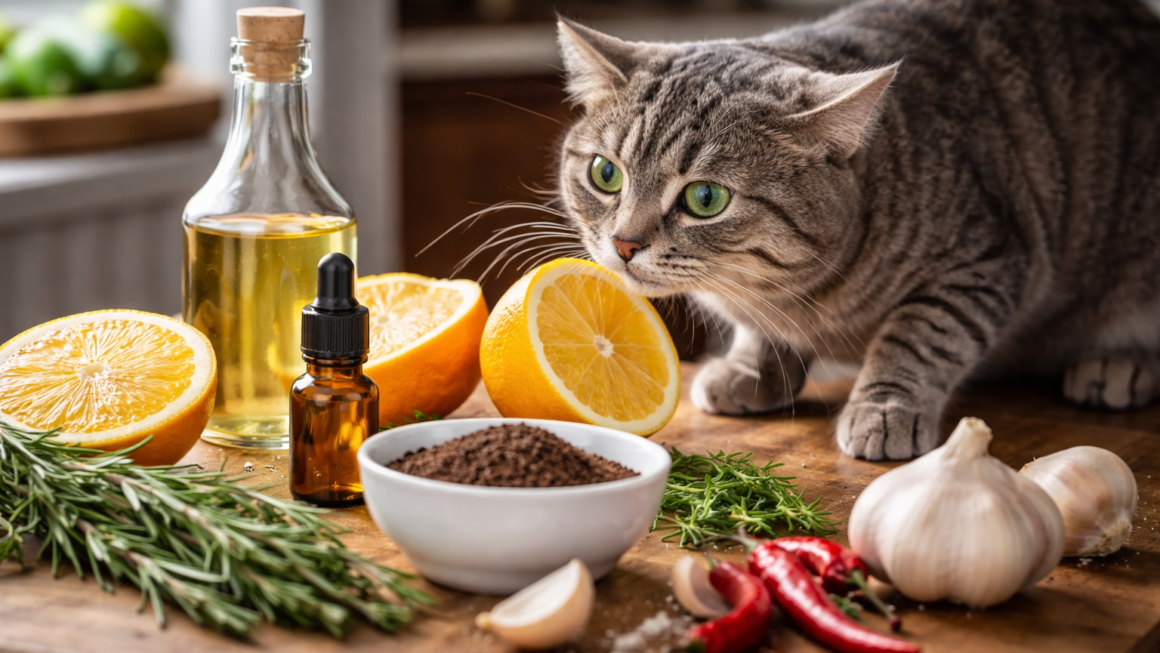
Yes, lettuce is generally safe for cats when given in small amounts. It’s not toxic and doesn’t appear on lists of harmful foods for felines, such as those from the ASPCA or Pet Poison Helpline. Unlike onions, garlic, or chocolate, which can cause severe health issues, lettuce poses minimal risk for most healthy cats.
That said, safety depends on factors like the cat’s age, health status, and how the lettuce is prepared. Kittens and senior cats may have more sensitive digestive systems, so introduce any new food cautiously. If your cat has conditions like diabetes, kidney disease, or gastrointestinal issues, consult a vet before adding lettuce.
Many cat owners report their pets enjoying lettuce without problems, as seen in community discussions where cats nibble on romaine or iceberg varieties. However, not all cats will like it—some may ignore it entirely, sticking to their carnivorous preferences.
In summary, lettuce can be a harmless occasional treat, but it’s not a nutritional necessity. Always monitor your cat’s reaction to ensure it agrees with them.
Nutritional Benefits of Lettuce for Cats
While lettuce isn’t a powerhouse for cats like it can be for humans, it does offer some advantages when fed sparingly. Here’s a breakdown of its key nutrients and how they might benefit your feline friend:
- Hydration Support: Lettuce is about 95% water, making it an excellent way to boost your cat’s fluid intake. Cats often don’t drink enough water, leading to issues like urinary tract infections or kidney problems. A few leaves can help, especially in dry climates or for cats on dry kibble diets.
- Dietary Fiber: The fiber in lettuce promotes healthy digestion, helping prevent constipation and supporting gut motility. For cats prone to hairballs, this can act as a natural aid, similar to cat grass.
- Low-Calorie Option: With fewer than 20 calories per cup, lettuce is ideal for overweight cats. It adds volume to meals without extra calories, aiding weight management without sacrificing satisfaction.
- Vitamins and Minerals: Lettuce provides small amounts of vitamin A (for vision and immune health), vitamin C (an antioxidant), vitamin K (for blood clotting), and minerals like potassium (for heart function) and calcium (for bones). While cats get most of these from meat, the extras can be beneficial.
- Antioxidant Properties: Darker lettuces like romaine contain antioxidants that may reduce inflammation and support overall cellular health.
Compared to cat food, these benefits are supplemental. For instance, a study on feline nutrition highlights that while plants can provide fiber, they shouldn’t replace animal proteins.
To illustrate, here’s a comparison table of lettuce’s nutritional profile per 100g (approximate values):
| Nutrient | Iceberg Lettuce | Romaine Lettuce | Benefit for Cats |
|---|---|---|---|
| Water | 95.6g | 94.6g | Hydration |
| Fiber | 1.2g | 2.1g | Digestion aid |
| Calories | 14 | 17 | Low-cal treat |
| Vitamin A | 502 IU | 8710 IU | Eye health |
| Vitamin K | 24.1 mcg | 102.5 mcg | Clotting support |
This table shows romaine edges out iceberg in nutrient density, making it a better choice.
Potential Risks and Side Effects of Feeding Lettuce to Cats
No food is without potential downsides, and lettuce is no exception. While generally safe, here are the main risks to watch for:
- Digestive Upset: Too much lettuce can cause diarrhea, vomiting, or gas due to its high fiber and water content. Cats’ short digestive tracts aren’t optimized for large plant volumes, so start small.
- Pesticide Exposure: Non-organic lettuce may carry residues that could harm cats. Always wash thoroughly or opt for organic to minimize this risk.
- Allergies or Sensitivities: Though rare, some cats may be allergic, showing symptoms like itching, swelling, or respiratory issues. Monitor closely after first exposure.
- Nutritional Imbalance: Over-reliance on lettuce could displace essential meat-based nutrients, leading to deficiencies over time.
- Choking Hazard: Large pieces might pose a risk; always chop finely.
- Oxalate Concerns: Some lettuces contain oxalates, which in excess could contribute to urinary crystals, especially in prone breeds like Persians.
If your cat shows signs like lethargy, persistent vomiting, or changes in stool, stop feeding lettuce and see a vet. Most issues resolve quickly, but prevention is key.
Different Types of Lettuce: Which Ones Are Best for Cats?
Not all lettuces are created equal. Here’s an in-depth look at common varieties and their suitability for cats:
- Iceberg Lettuce: Crisp and watery, but lowest in nutrients. It’s safe but offers minimal benefits beyond hydration. Best avoided if seeking value.
- Romaine Lettuce: Nutrient-richer with higher vitamin A and K. Its sturdy leaves provide a satisfying crunch, making it popular among cats who enjoy texture.
- Butterhead (Boston or Bibb): Soft and mild, easier on sensitive stomachs. Good for beginners.
- Leaf Lettuce (Red or Green): High in antioxidants due to color variations. Red leaf may offer more anti-inflammatory benefits.
- Arugula or Rocket: Peppery flavor; some cats love it, but its bitterness might deter others. Use sparingly.
Organic options are preferable to reduce chemical exposure. Avoid pre-packaged salads with dressings, as additives like onions or garlic are toxic.
In a comparison:
| Type | Nutrient Density | Texture | Cat Appeal | Recommendation |
|---|---|---|---|---|
| Iceberg | Low | Crisp | Moderate | Occasional |
| Romaine | High | Sturdy | High | Preferred |
| Butterhead | Medium | Soft | Moderate | For sensitive |
| Leaf | High | Varied | Variable | Good variety |
Choose based on your cat’s preferences and health needs.
How to Prepare and Serve Lettuce to Your Cat Safely
Proper preparation is key to maximizing benefits and minimizing risks. Follow these steps:
- Select Fresh Lettuce: Choose organic, fresh heads without wilting or mold.
- Wash Thoroughly: Rinse under cool water to remove dirt and pesticides. Pat dry.
- Chop into Small Pieces: Cut into bite-sized strips (1/4 inch) to prevent choking.
- Introduce Gradually: Start with a tiny piece mixed into their regular food.
- Serve Plain: No dressings, salts, or oils—keep it natural.
Creative serving ideas:
- Mix chopped lettuce into wet cat food for added crunch.
- Offer as a standalone treat during playtime.
- Freeze small pieces for a cool summer snack.
Always supervise initial feedings and discard uneaten portions to avoid spoilage.
How Much Lettuce Can Cats Eat? Dosage Guidelines
Moderation is essential. For an average 10-pound cat, limit to 1-2 small leaves (about 1 tablespoon chopped) 2-3 times per week. This keeps treats under 10% of calories.
Adjust based on:
- Weight: Overweight cats can have slightly more as a low-cal filler.
- Age: Kittens under 6 months should avoid; seniors may need less.
- Health: Diabetic cats benefit from low-carb options, but consult vets.
Track intake to prevent overfeeding. If in doubt, use a pet scale for portions.
Alternatives to Lettuce: Other Safe Vegetables for Cats
If lettuce doesn’t appeal, try these vet-approved options:
- Cucumber: High water, low cal; great for hydration.
- Zucchini: Mild flavor, fiber-rich.
- Green Beans: Crunchy, aids weight control.
- Pumpkin: Excellent for digestion; use plain, cooked.
- Spinach: Nutrient-dense but limit due to oxalates.
Avoid toxic veggies like onions, garlic, or tomatoes. Always introduce new foods slowly.
Here’s a quick list of safe vs. unsafe:
Safe (in moderation):
- Lettuce
- Carrots (cooked)
- Broccoli (steamed)
Unsafe:
- Onions/Garlic
- Avocado
- Grapes/Raisins
When to Consult a Veterinarian About Your Cat’s Diet
Seek professional advice if:
- Your cat has pre-existing conditions.
- They show adverse reactions to lettuce.
- You’re transitioning diets.
- For personalized nutrition plans.
Regular check-ups ensure optimal health. Vets can recommend supplements if needed.
Common Myths About Cats Eating Vegetables Debunked
Myth 1: Cats can’t digest plants at all. Fact: They can handle small amounts for fiber.
Myth 2: Lettuce makes cats high (due to lactucarium). Fact: Effects are negligible in small doses.
Myth 3: All greens are safe. Fact: Some, like lilies, are deadly.
Myth 4: Vegetables can replace meat. Fact: Absolutely not—cats need animal proteins.
These myths often stem from misinformation; stick to evidence-based info.
Real Cat Owner Stories: Experiences with Lettuce
Many owners share positive tales. For example, Sarah from Texas says her tabby loves romaine: “It helps with his hairballs, and he’s never had issues.” Conversely, Mike notes his cat ignores it: “Tried once, no interest—back to tuna!”
These anecdotes highlight individual preferences. Always observe your cat.
FAQ: Answering Your Top Questions About Cats and Lettuce
Can cats eat iceberg lettuce?
Yes, but it’s less nutritious than darker varieties.
Is romaine lettuce good for cats?
Yes, in moderation—it’s richer in vitamins.
Can kittens eat lettuce?
Best to wait until 6 months; their systems are delicate.
What if my cat eats too much lettuce?
Watch for diarrhea; reduce portions or stop.
Can cats eat lettuce every day?
No, 2-3 times weekly max to avoid imbalance.
Is lettuce better than cat grass?
Both aid digestion; grass may be more natural.
Can diabetic cats eat lettuce?
Yes, it’s low-carb and can help manage weight.
What about wild lettuce for cats?
Avoid—it’s unrelated and potentially unsafe.
Can cats eat salad with dressing?
No, dressings often contain harmful ingredients.
How do I know if my cat likes lettuce?
Offer a small piece; if they nibble eagerly, they do!
These FAQs are optimized for voice search, addressing queries like “Hey Google, can my cat eat lettuce?”
Making Smart Choices for Your Cat’s Health
In conclusion, cats can eat lettuce safely as an occasional treat, offering hydration, fiber, and low-calorie variety without significant risks when prepared properly. However, remember their carnivorous nature—lettuce should complement, not replace, a meat-based diet. By following the guidelines here, you’ll enhance your cat’s well-being while avoiding common pitfalls.
If you’re ready to try, start small and observe. For more personalized advice, consult your vet today. Your cat’s health is worth it—share this guide with fellow pet owners and let’s keep our felines thriving!