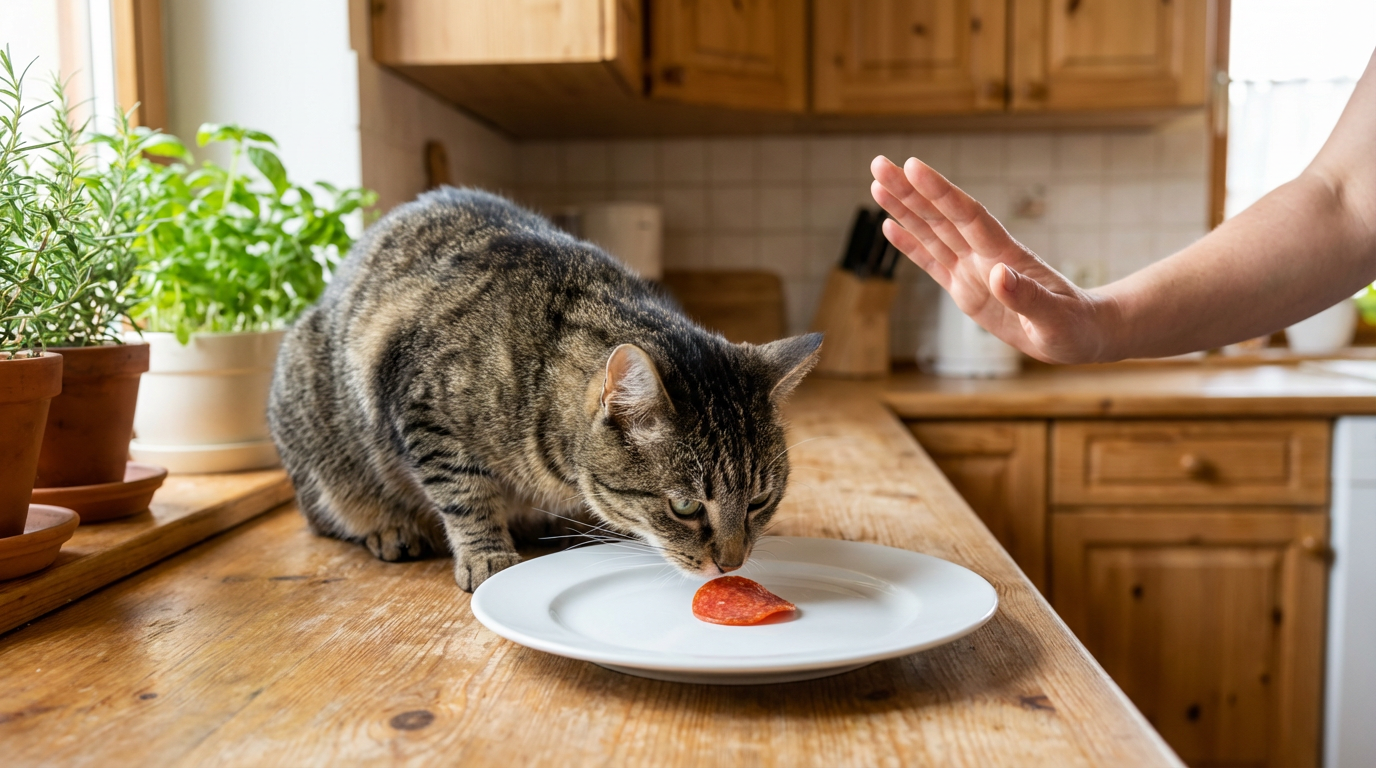
Before we answer whether cats can eat pepperoni, it helps to understand exactly what pepperoni contains. This processed meat product is not simply sliced pork — it is a chemically complex, heavily seasoned cured sausage that bears little resemblance to the plain meat a cat’s body is designed to process.
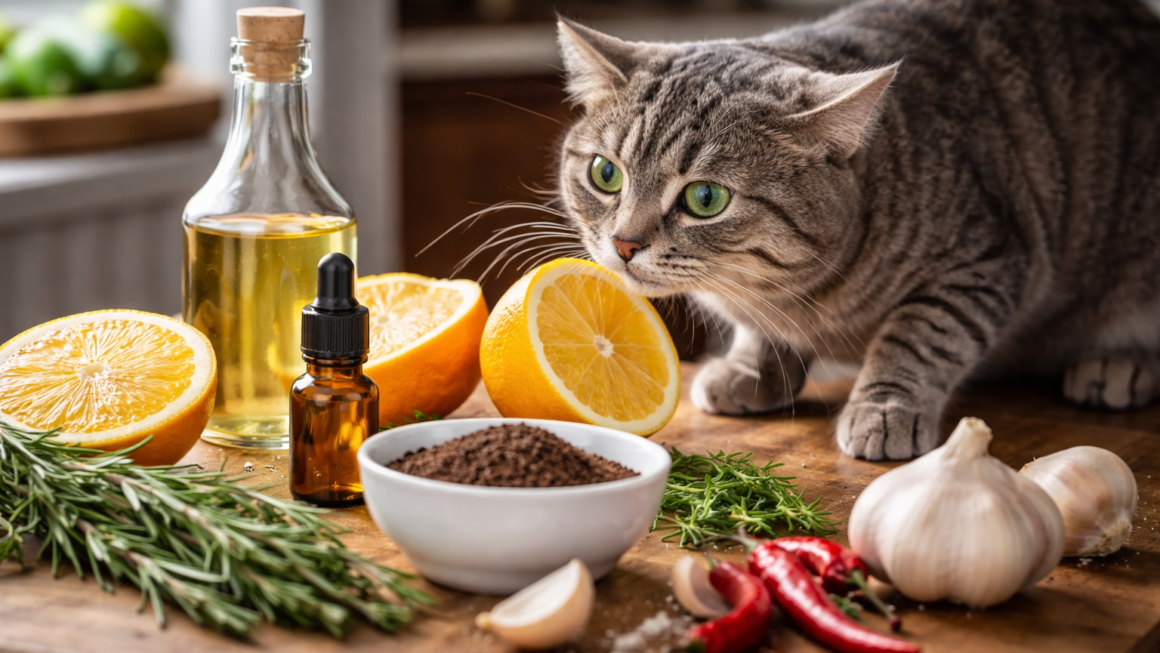
Standard pepperoni is made from a combination of pork and beef, cured with salt, and flavored with a blend of spices that typically includes:
- Paprika and chili pepper
- Garlic powder and onion powder
- Fennel seeds
- Cayenne pepper
- Black pepper
- Sugar
- Sodium nitrate (a preservative)
- Lactic acid starter culture
When you look at that ingredient list through the lens of feline nutrition, nearly every item raises a red flag. Cats are obligate carnivores — they thrive on clean animal protein. What they absolutely do not need, and what their digestive systems were never designed to handle, is a cocktail of spices, curing salts, and chemical preservatives.
Can Cats Eat Pepperoni? The Short Answer
No — cats should not eat pepperoni. While a single small bite is unlikely to cause a life-threatening emergency in a healthy adult cat, pepperoni offers zero nutritional benefit and carries a meaningful risk of harm. Even in tiny quantities, regular exposure to pepperoni’s high sodium content, garlic, onion, and spice load can damage a cat’s health over time.
The issue is not just acute toxicity. It’s cumulative harm. Many cat owners make the mistake of assuming “a little bit won’t hurt” — and they’re partially right in the most literal sense. But “won’t kill immediately” is a very different standard from “is safe.”
Veterinarians, including those at the ASPCA Animal Poison Control Center, consistently classify foods like pepperoni as inappropriate for cats due to their toxic ingredient profile and extreme sodium density.
Why Pepperoni Is Bad for Cats
There are several distinct reasons why pepperoni is a poor — and potentially dangerous — food choice for your cat. Let’s examine each one with the depth it deserves.
High Sodium Content
Pepperoni is one of the saltiest foods in the human diet. A single ounce of pepperoni contains approximately 443–493 mg of sodium. To put that in perspective, a cat’s total recommended daily sodium intake is roughly 21 mg per day according to the National Research Council.
That means a small slice of pepperoni can deliver over 20 times the sodium a cat needs in an entire day.
Sodium toxicity in cats — also called salt poisoning — is a genuine medical risk. Even sub-toxic doses of excess sodium place stress on the kidneys, contribute to high blood pressure, and cause cellular dehydration. For cats with pre-existing kidney disease, heart disease, or hypertension (all of which are common in aging cats), even a modest amount of sodium-rich food can accelerate organ damage significantly.
Garlic and Onion Powder
This is arguably the most dangerous element in pepperoni for cats. Garlic and onion belong to the Allium family of plants, and every member of that family is toxic to cats. The toxic compounds — thiosulfates and organosulfides — damage feline red blood cells by causing a form of oxidative injury called Heinz body anemia.
What makes garlic and onion powder especially dangerous compared to fresh forms is concentration. Powdered forms are far more potent per gram than their raw counterparts. A small amount of garlic powder in pepperoni can represent a meaningful toxic dose for a small cat.
Heinz body anemia causes red blood cells to rupture faster than the body can replace them. Symptoms can take 3–5 days to fully manifest, meaning your cat may seem fine initially after eating pepperoni only to become ill days later.
High Fat Content
Pepperoni is extremely high in saturated fat. One ounce contains roughly 12–13 grams of fat. While cats do require dietary fat as an energy source, they require it in controlled, appropriate forms — not in the form of processed, rendered pork and beef fat loaded with additional chemicals.
Excess dietary fat in cats is associated with:
- Pancreatitis — a painful and potentially life-threatening inflammation of the pancreas
- Obesity — which leads to diabetes, joint problems, and liver disease
- Hepatic lipidosis — a dangerous liver condition triggered by metabolic disruption
Spices and Capsaicin
The chili pepper and paprika in pepperoni contain capsaicin, the compound responsible for heat and spice in peppers. Cats lack the taste receptors for spicy food — they literally cannot taste “heat” the way humans do — but capsaicin still causes physiological irritation in their gastrointestinal tract.
Even without perceiving the spice, a cat that eats pepperoni may experience:
- Oral irritation
- Stomach cramping
- Vomiting and diarrhea
- Excessive drooling
Preservatives and Additives
Sodium nitrate, used in curing pepperoni, has been linked to oxidative damage in mammalian tissue. While the research in cats is limited, nitrates are known to contribute to methemoglobinemia in some animals — a condition where hemoglobin loses its ability to carry oxygen effectively.
Additional preservatives, flavor enhancers, and artificial colorants in commercial pepperoni add further chemical burden to a cat’s liver and kidneys — organs that are already comparatively vulnerable in felines.
Breaking Down Each Dangerous Ingredient
Here is a clear comparison table summarizing the risk level of each ingredient in pepperoni for cats:
| Ingredient | Risk Level | Primary Effect on Cats |
|---|---|---|
| Salt / Sodium | 🔴 High | Sodium toxicity, kidney stress, dehydration |
| Garlic powder | 🔴 High | Heinz body anemia, red blood cell damage |
| Onion powder | 🔴 High | Heinz body anemia, GI upset |
| Saturated fat | 🟠 Moderate–High | Pancreatitis, obesity, liver disease |
| Capsaicin / Chili | 🟠 Moderate | GI irritation, vomiting, cramping |
| Sodium nitrate | 🟠 Moderate | Oxidative tissue damage |
| Fennel / spices | 🟡 Low–Moderate | Digestive upset |
| Sugar | 🟡 Low | Empty calories, potential metabolic disruption |
What Happens If My Cat Eats Pepperoni?
The outcome depends heavily on how much was consumed, the size and health status of your cat, and whether it was a one-time incident or a repeated habit.
If Your Cat Ate a Very Small Amount (One Small Bite)
In an otherwise healthy adult cat, a single accidental bite of pepperoni is unlikely to cause a serious emergency. You may observe mild digestive upset — loose stools, vomiting, or temporary lethargy — but severe toxicity from a trace amount is uncommon.
That said, this should not be treated as a license to offer pepperoni freely. The dose makes the poison, and “got away with it once” does not mean the food is safe.
If Your Cat Ate a Meaningful Amount (Multiple Slices)
This warrants closer monitoring and possibly veterinary contact. The sodium load alone from two to three slices of pepperoni significantly exceeds a cat’s safe daily intake. Signs to watch for include:
- Excessive thirst and urination (sodium response)
- Vomiting or diarrhea
- Lethargy
- Loss of coordination or tremors (in cases of significant salt ingestion)
- Pale or yellowish gums (Allium toxicity indicator)
If Your Cat Has Been Eating Pepperoni Regularly
This is the scenario of greatest concern. Chronic exposure to garlic, onion powder, sodium, and saturated fat compounds harm over weeks and months. Cats fed processed human foods regularly often develop kidney disease, GI problems, or blood disorders that don’t become obvious until they are advanced.
Signs of Pepperoni Toxicity in Cats
Knowing what to look for allows you to respond quickly. The following symptoms may indicate that your cat has been negatively affected by pepperoni ingestion:
Signs appearing within hours:
- Vomiting
- Diarrhea
- Hypersalivation (drooling)
- Abdominal pain or hunching posture
- Increased water consumption
Signs appearing within 1–5 days (especially from Allium toxicity):
- Weakness and lethargy
- Loss of appetite
- Pale, white, or yellowish gums
- Rapid or labored breathing
- Dark or reddish urine (indicates red blood cell breakdown)
- Collapse in severe cases
If you observe any of the delayed signs — particularly pale gums, dark urine, or respiratory distress — contact your veterinarian or an emergency animal hospital immediately. These are signs of hemolytic anemia, which is life-threatening and requires prompt treatment.
How Much Pepperoni Is Dangerous?
There is no established “safe dose” of pepperoni for cats, because no amount of it provides any benefit. However, for perspective on the danger threshold:
- Garlic toxicity in cats begins at approximately 1 gram per kilogram of body weight. A single pepperoni slice contains enough garlic powder to be potentially concerning for a small cat under 4 kg (8.8 lbs) if consumed repeatedly.
- Sodium toxicity symptoms can begin to appear when a cat ingests more than 41 mg of sodium per kilogram of body weight. One slice of pepperoni can push a small cat uncomfortably close to that range.
The practical conclusion: no amount of pepperoni should be intentionally fed to a cat. Even if a one-time tiny piece doesn’t cause visible harm, repeated small exposures absolutely can — and do — cause cumulative damage.
Can Cats Eat Turkey Pepperoni or Uncured Pepperoni?
This is a common follow-up question from cat owners who want to find a “safer” version of the same snack. Let’s address each variant directly.
Turkey Pepperoni
Turkey pepperoni is not safe for cats either. While it is lower in fat than traditional pork-based pepperoni, it retains the same dangerous profile of seasonings, garlic powder, onion powder, high sodium content, and preservatives. Switching from pork to turkey does not neutralize the toxic ingredients — it only marginally reduces the calorie and fat content.
Uncured Pepperoni
“Uncured” is a somewhat misleading marketing label. Uncured pepperoni still undergoes a curing process, but it uses natural sources of nitrates (like celery powder) instead of synthetic sodium nitrate. The spice blend, garlic, onion, and high sodium levels remain essentially unchanged.
Uncured pepperoni is also not safe for cats.
Low-Sodium Pepperoni
Even reduced-sodium versions of pepperoni contain sodium levels far beyond what is appropriate for a cat, and the Allium-family seasonings remain present regardless of the sodium reduction.
Bottom line: No commercial variety of pepperoni — regardless of the meat source, curing method, or sodium reduction — is appropriate for feline consumption.
Safe Meat Treats for Cats
The good news is that cats are obligate carnivores — they genuinely love meat, and there are plenty of safe, healthy ways to give your cat a meaty treat they’ll enjoy without the risks.
Vet-Approved Safe Alternatives
| Safe Treat | Preparation Notes | Benefit |
|---|---|---|
| Plain cooked chicken | Unseasoned, boneless, no skin | Lean protein, highly digestible |
| Plain cooked turkey | Unseasoned, boneless | Similar to chicken, excellent protein source |
| Plain cooked salmon | Cooked, no seasonings or sauces | Omega-3 fatty acids, great for coat health |
| Plain cooked shrimp | Fully cooked, shell removed | Low fat, high protein |
| Plain cooked beef | Lean, unseasoned | Rich in protein and B vitamins |
| Commercial freeze-dried meat treats | Single-ingredient formulas | Convenient, vet-approved, no added ingredients |
Key principles for any meat treat:
- Always cook meat thoroughly (never raw unless specifically formulated for raw feeding)
- Never add salt, garlic, onion, herbs, or oils
- Keep treats to no more than 10% of your cat’s daily caloric intake
- Introduce new foods gradually
What to Do If Your Cat Ate Pepperoni {#what-to-do}
Step-by-Step Response Guide
Step 1: Assess how much was eaten. Was it a single small bite that fell off a pizza? Or did your cat get into a bag of pepperoni slices? Quantity matters enormously in determining next steps.
Step 2: Check the ingredient label. Look specifically for garlic powder and onion powder. Their presence elevates the risk significantly compared to a product containing only salt and spices.
Step 3: Monitor your cat closely for 24–72 hours. Watch for the signs of toxicity listed earlier in this article, particularly pale gums, lethargy, dark urine, or vomiting.
Step 4: Contact your vet if concerned. If your cat consumed a meaningful amount, don’t wait for symptoms to appear — call your vet or the ASPCA Animal Poison Control Center (888-426-4435) proactively. Early intervention is always more effective than reactive treatment.
Step 5: Do not induce vomiting without professional guidance. Inducing vomiting in cats requires proper technique and is not always appropriate. Follow your vet’s specific advice.
FAQ
Can cats eat pepperoni from pizza? No. Pizza pepperoni is the same product as packaged pepperoni — heavily seasoned, high in sodium, and containing garlic and onion powder. The fact that it has been heated on a pizza does not make it safer.
My cat stole a piece of pepperoni. Should I be worried? If your cat is healthy and only ate one small piece, the immediate risk is low. Monitor for vomiting, diarrhea, or lethargy over the next 24 hours. If your cat is small, elderly, or has kidney or heart disease, contact your vet for guidance.
Can kittens eat pepperoni? Absolutely not. Kittens are significantly more vulnerable to toxic foods due to their smaller body mass and still-developing organ systems. What might cause mild upset in a large adult cat could cause serious harm in a kitten.
Is pepperoni toxic to cats? Several ingredients in pepperoni — particularly garlic powder and onion powder — are genuinely toxic to cats at sufficient doses. The high sodium content also poses a meaningful risk. “Toxic” depends on quantity and frequency, but the ingredients are unambiguously harmful.
What processed meats can cats eat? None, ideally. Most processed meats share the same problems as pepperoni: high sodium, spice blends, preservatives, and Allium-family seasonings. Plain, freshly cooked unseasoned meat is always the better option.
Can cats taste pepperoni? Cats lack taste receptors for sweetness and cannot taste spicy heat (capsaicin). They are, however, drawn to the fat and protein smell of pepperoni. Attraction to a food does not mean it is safe.
Will one pepperoni slice hurt my cat? In most healthy adult cats, a single small slice is unlikely to cause immediate serious harm. However, it is not risk-free, and it sets a precedent of offering inappropriate food. It should not become a habit.
Can cats eat salami or other cured meats? No. Salami, chorizo, prosciutto, bologna, and similar cured or processed meats carry the same risks as pepperoni: excessive sodium, spice blends, garlic, onion, fat, and preservatives. None of them are appropriate cat food.
Conclusion
The answer to “can cats eat pepperoni” is a clear, well-supported no. While the occasional accidental bite in a healthy adult cat is unlikely to be catastrophic, pepperoni offers no nutritional value to cats whatsoever — and it delivers a substantial payload of ingredients that are harmful, and in some cases genuinely toxic, to feline physiology.
Here’s what to remember:
- Pepperoni contains garlic and onion powder, which are toxic to cats and can cause hemolytic anemia
- Its sodium content is roughly 20 times what a cat needs in a day
- High fat content raises the risk of pancreatitis and obesity
- Capsaicin and spices cause gastrointestinal irritation even if cats can’t “taste” spice
- No variety of pepperoni — turkey, uncured, reduced-sodium — is safe for cats
- Symptoms of Allium toxicity can take 3–5 days to appear, so delayed illness after ingestion is possible
If your cat has eaten pepperoni and you are concerned, call your veterinarian. When in doubt, the ASPCA Animal Poison Control Center (888-426-4435) is available 24/7.
The best treat you can give your cat is plain, cooked, unseasoned meat — chicken, turkey, beef, or fish — prepared specifically for them. It’s what their bodies are actually designed to eat, and they’ll love it just as much.
🐾 Found this helpful? Share it with other cat owners in your life — especially those who like to share snacks with their pets. A little knowledge goes a long way toward keeping cats safe and healthy.